
PRODUCTS
‹
›
‹
›





Product Details
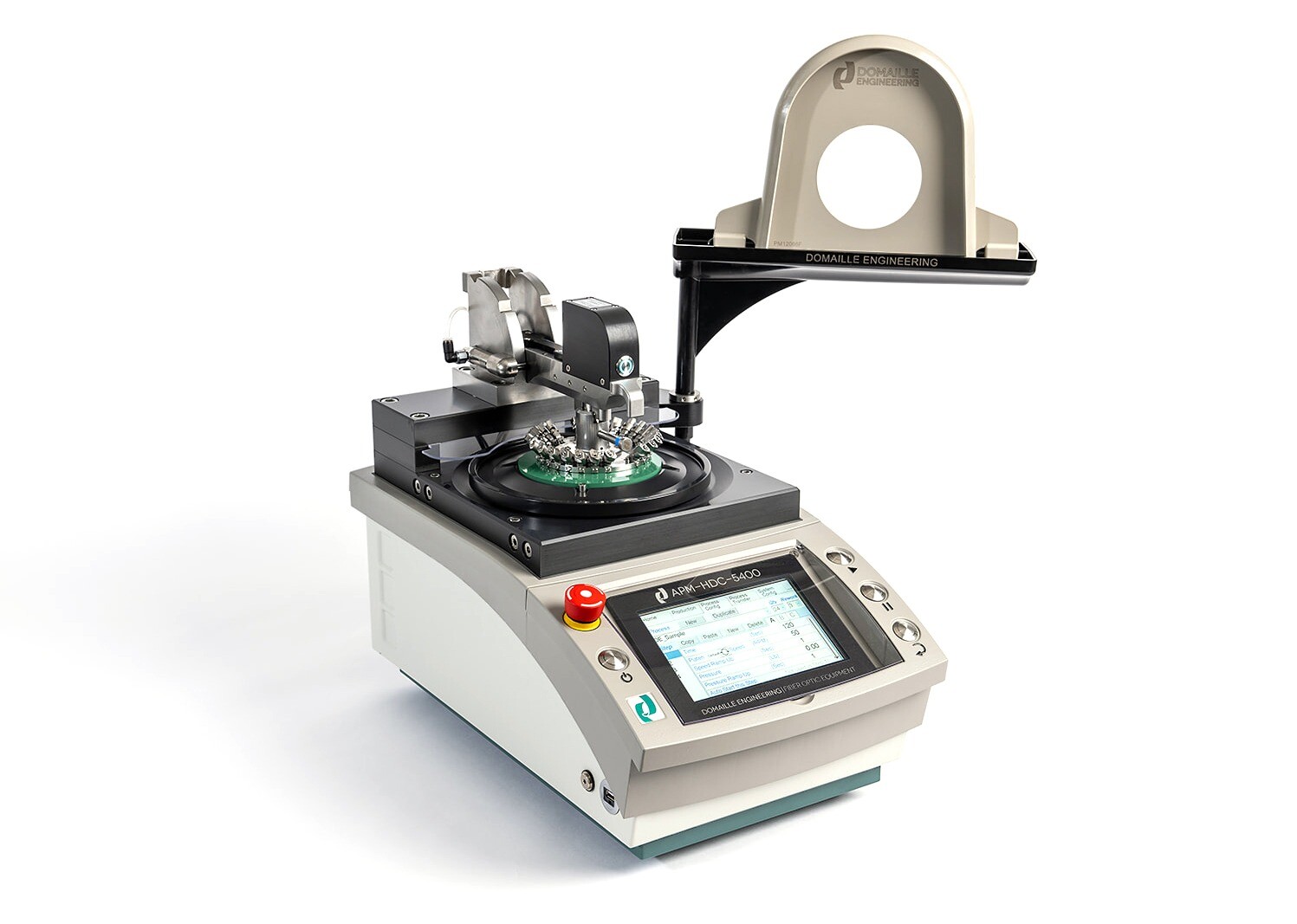
To help you get started with a specific fiber optic polishing procedure
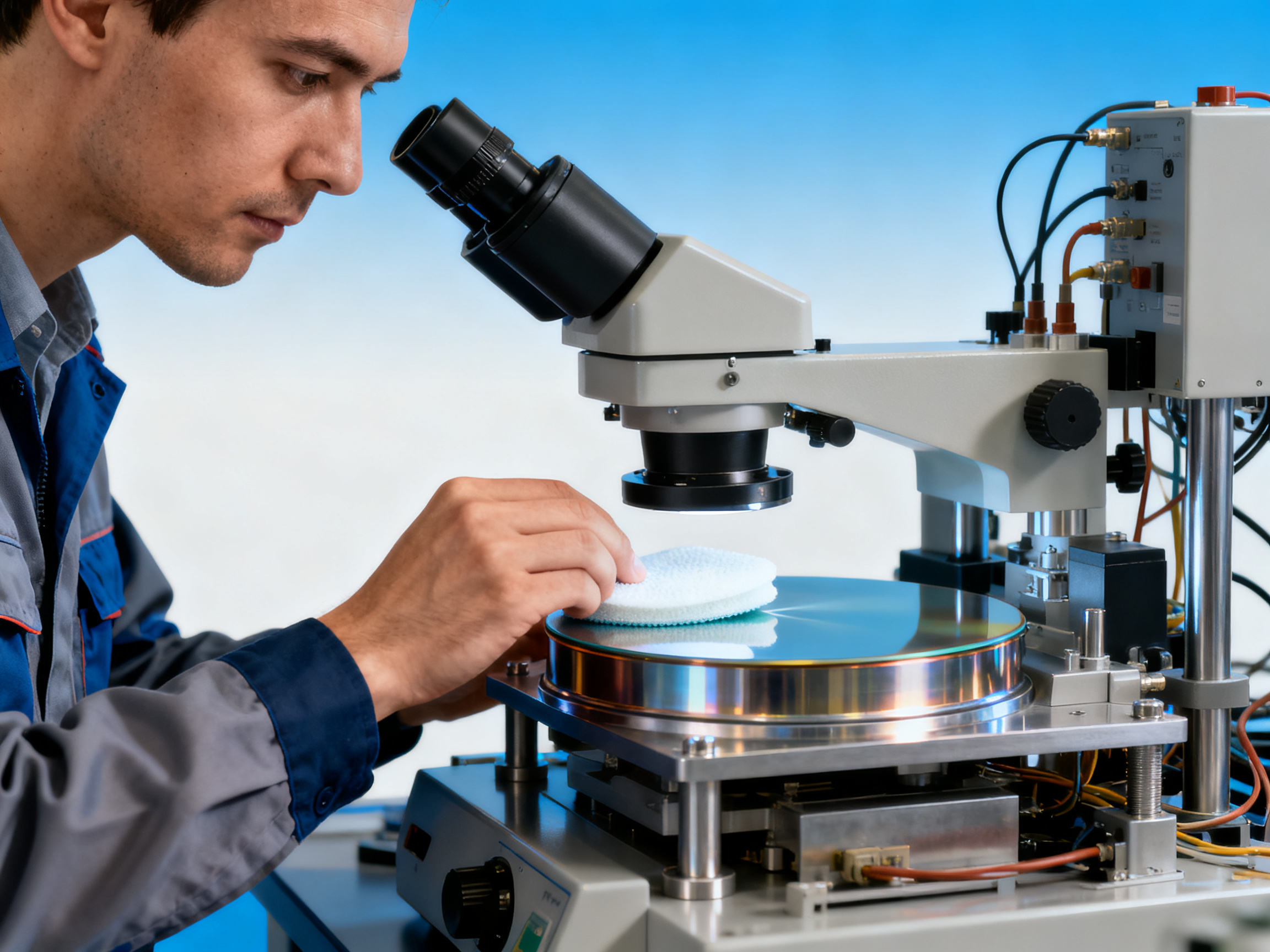
Polishing a fiber optic connector is a critical process designed to ensure that light can travel from one fiber to another with minimal loss (insertion loss) and reflection (return loss). Because the glass core of a fiber is incredibly small (typically 9 to 62.5 microns), the end surface must be polished to a mirror finish with sub-micron precision.
The 4-Step Polishing Process
Most professional "recipes" for polishing ceramic (Zirconia) or stainless steel ferrules follow this general progression.
To help you get started with a specific fiber optic polishing procedure, here are the step-by-step instructions for the two most common types of connectors.
Comparison: UPC vs. APC Polishing
The primary difference lies in the shape of the ferrule tip, which dictates how light reflects back toward the source.
Step-by-Step Procedure for UPC (Blue) Connectors
This method uses a standard 90-degree polishing puck and a rubber pad to create a "Physical Contact" dome.
Preparation:
Clean your glass plate and place the 5mm or 6mm rubber pad on top.
Clean the lapping film and the rubber pad with 99% Isopropyl Alcohol (IPA) and a lint-free wipe.
Step 1: De-nubbing (30 um Silicon Carbide):
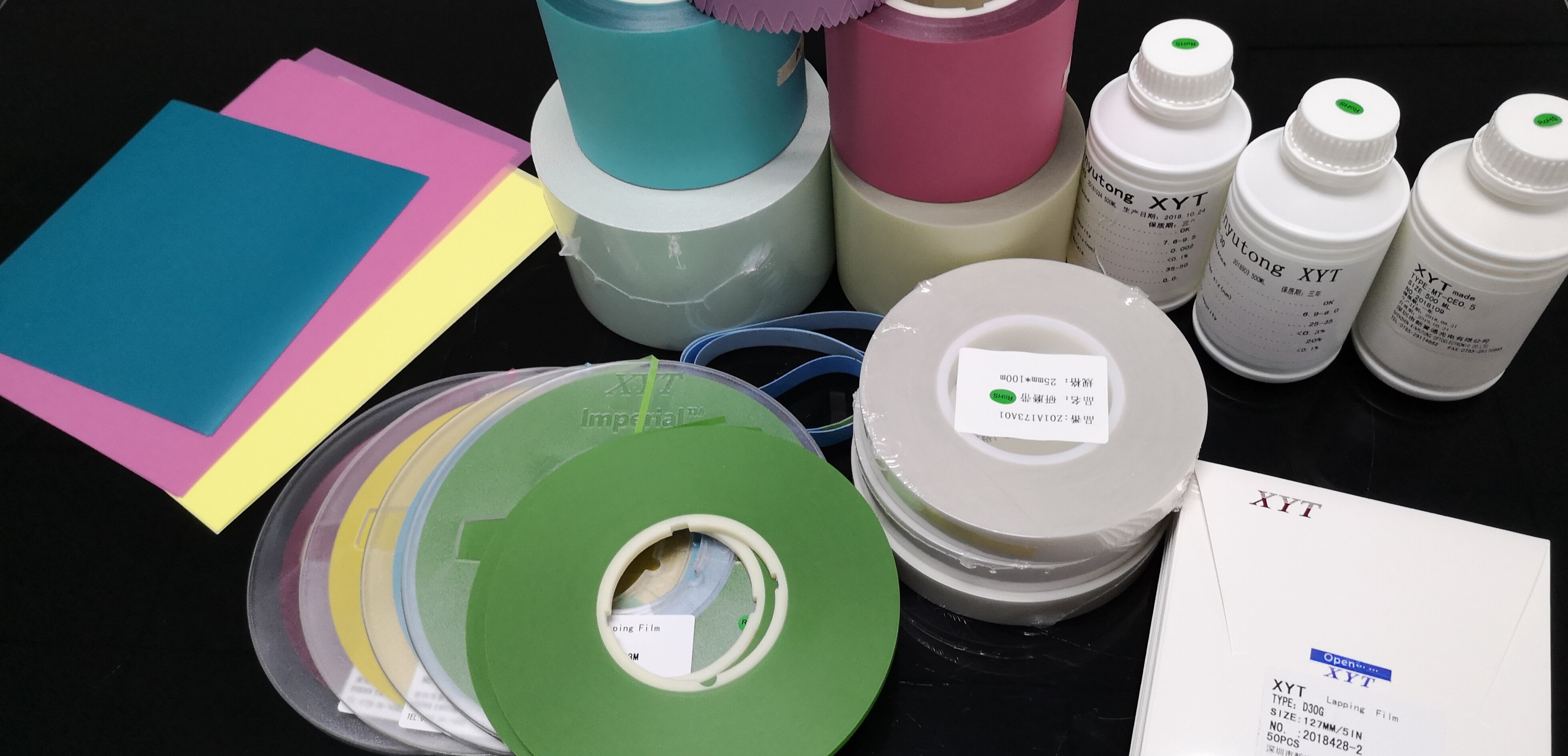
Place the 30 um film on the plate.
Gently touch the connector to the film and perform a "figure-8" motion with zero pressure until the glass "nub" is gone.
Clean the connector and inspect with a scope.
Step 2: Shaping (9 um Diamond):
Place the 9um film on the rubber pad.
Add a few drops of distilled water.
Perform 10–15 figure-8 motions using moderate, even pressure. This begins forming the dome.
Clean and inspect for the removal of the 30 um scratches.
Step 3: Intermediate (1 um Diamond):
Place the 1 um film on the pad.
Perform 10 figure-8 motions. This should leave a very faint, uniform scratch pattern.
Critical: Clean the puck and connector thoroughly to ensure no 1 um grit reaches the final stage.
Step 4: Final Polish (0.02 um Silica / Final Film):
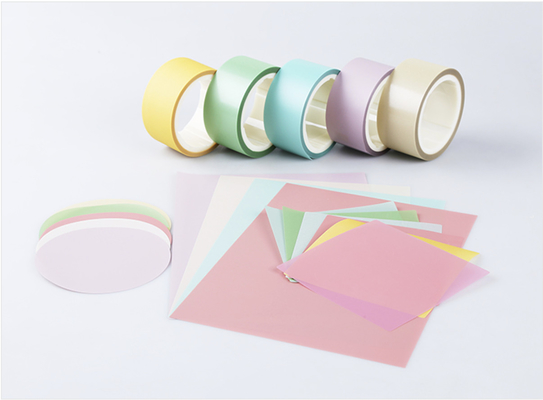
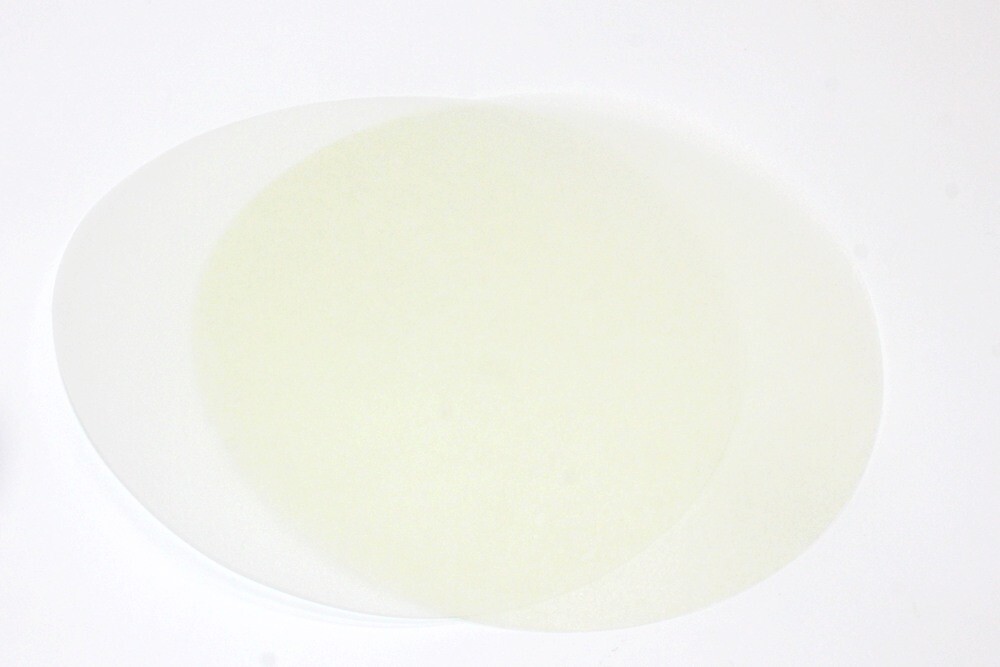
Use a fresh "Final Polish" film (usually white or pale green).
Use plenty of distilled water.
Perform 5–10 figure-8 motions with very light pressure.
Clean and inspect. The end-face should look like a flawless mirror.
Common Troubleshooting
Pitting (Small black dots in the center): Usually caused by dirt or contamination during the final steps. Ensure your water is distilled.
Scratches (Lines across the fiber): You likely didn't polish long enough in the previous step, or a larger grit particle contaminated a finer film.
Shattered Core: You applied too much pressure during the initial "de-nubbing" stage.
Online Consultation
Related Suggestion
 Diamond Lapping Film: Complete Guide to Precision Polishing Technology and Applications
 Lapping Film: The Complete Guide to Precision Polishing, Types, Applications, and Selection
 MMC & MT Lapping Polishing Film: Premium Quality for High-Efficiency Polishing
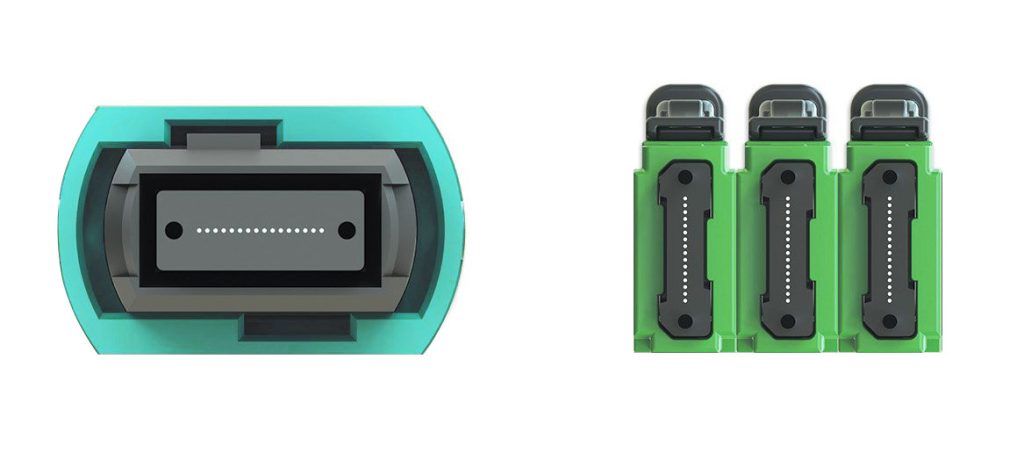
 XYT Lapping Film for VSFF MMC16, MMC24, MMC32 Polishing
 Step-by-step SOP for MMC VSFF/TMT Polishing Solutions Guide
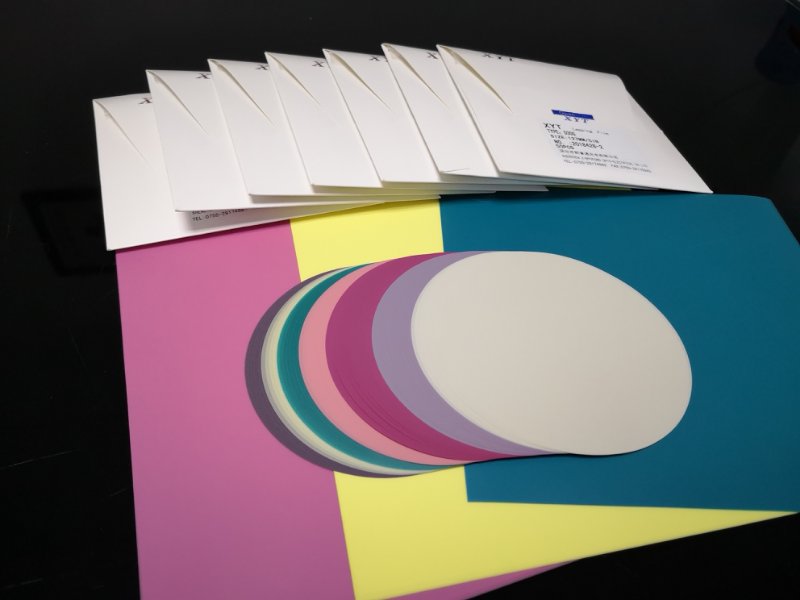
 Lapping Film Discs and Sheets for Laboratories
, MTCT®, and MT Ferrules Connectors") Lapping Film for PMT, Co‑Packaged Optics (CPO), MTCT®, and MT Ferrules Connectors
Lapping Film for PMT, Co‑Packaged Optics (CPO), MTCT®, and MT Ferrules Connectors XYT Precision Lapping Films and Polishing Consumables for MPO, MTP, and MMC Connectors
 High-Yield MPO/MTP/MMC Polishing Solution for Fiber Optic Patch Cord Ferrules
 Lapping Discs & Sheets – Diamond & Aluminum Oxide | Precision Polishing
 Explore Aluminum Oxide Lapping Film: 0.05 µm – 60 µm Grit Sizes | Discs & Sheets
 0.5 µm PSA Aluminum Oxide Lapping Film Discs & Sheets | Ultra-Fine Polishing
 30 µm PSA Aluminum Oxide Lapping Film Discs & Sheets | Coarse Polishing
 15 µm PSA Aluminum Oxide Lapping Film Discs & Sheets | Coarse Polishing
 12 µm PSA Aluminum Oxide Lapping Film Discs & Sheets | Coarse-to-Medium Pre-Polishing
 9 µm PSA Aluminum Oxide Lapping Film Discs & Sheets | Pre-Polishing
 6 µm PSA Aluminum Oxide Lapping Film Discs & Sheets | Pre-Polishing

Get in Touch
*We respect your confidentiality and all information are protected.