
PRODUCTS
‹
›
‹
›





Product Details
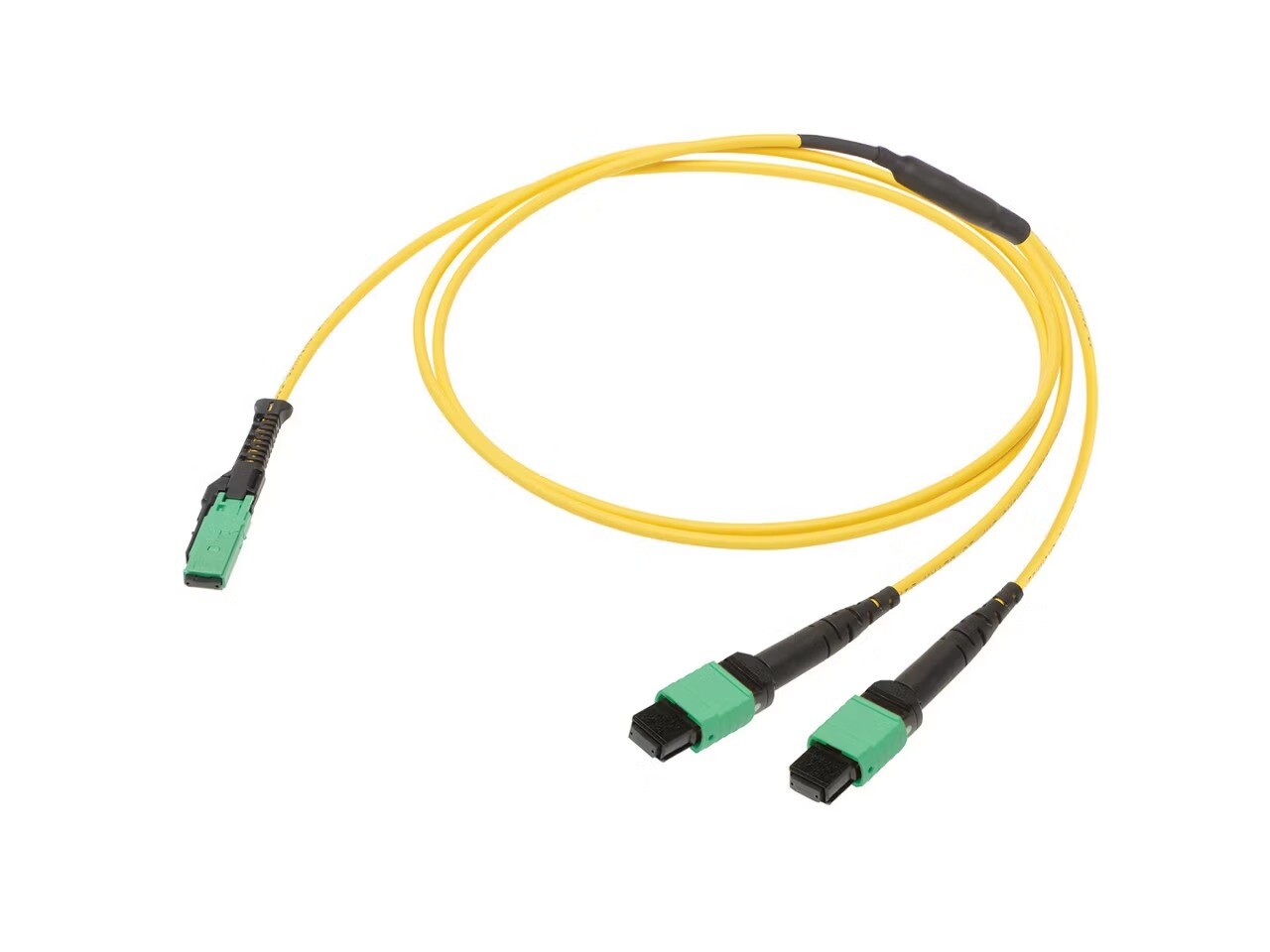
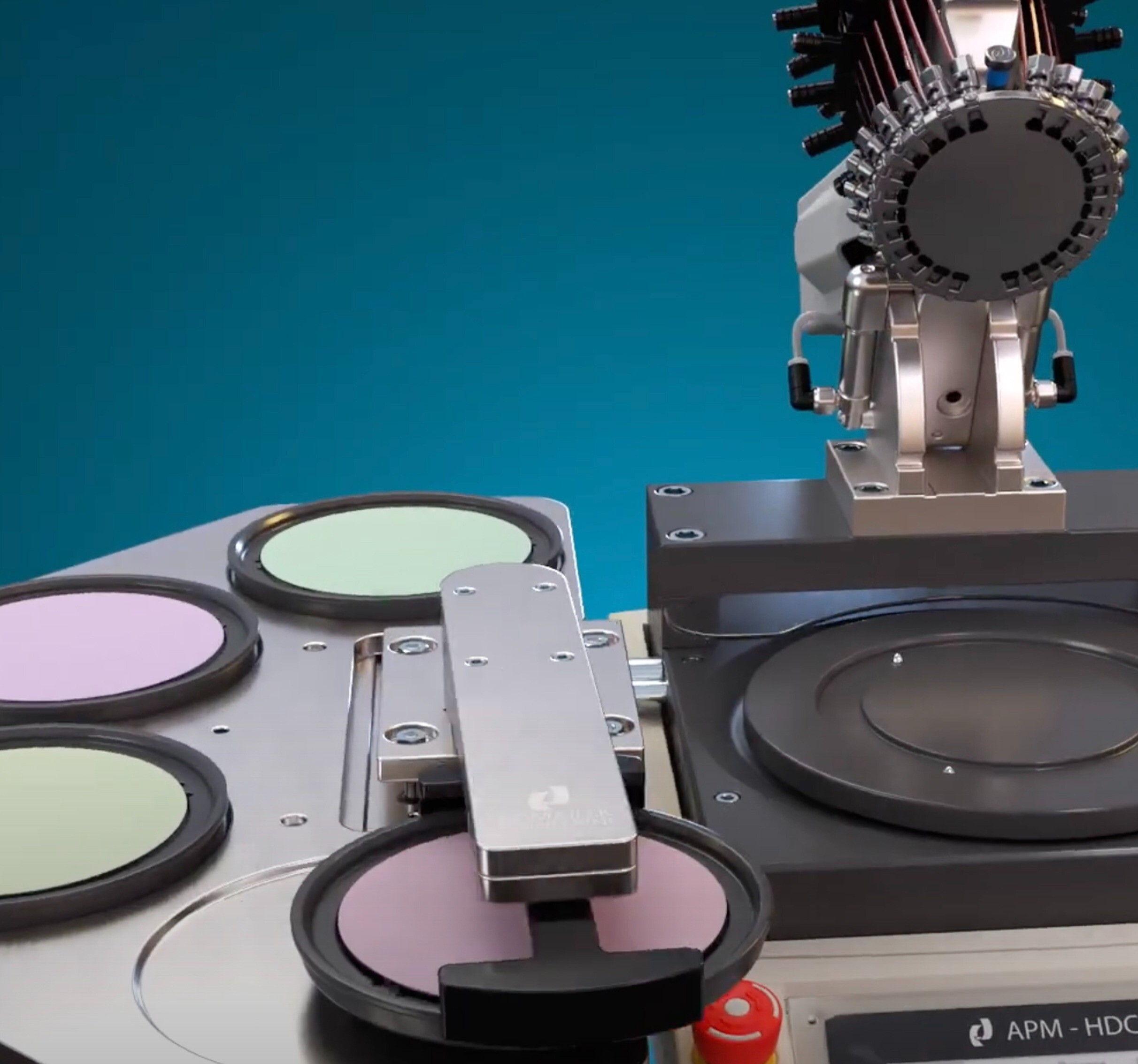
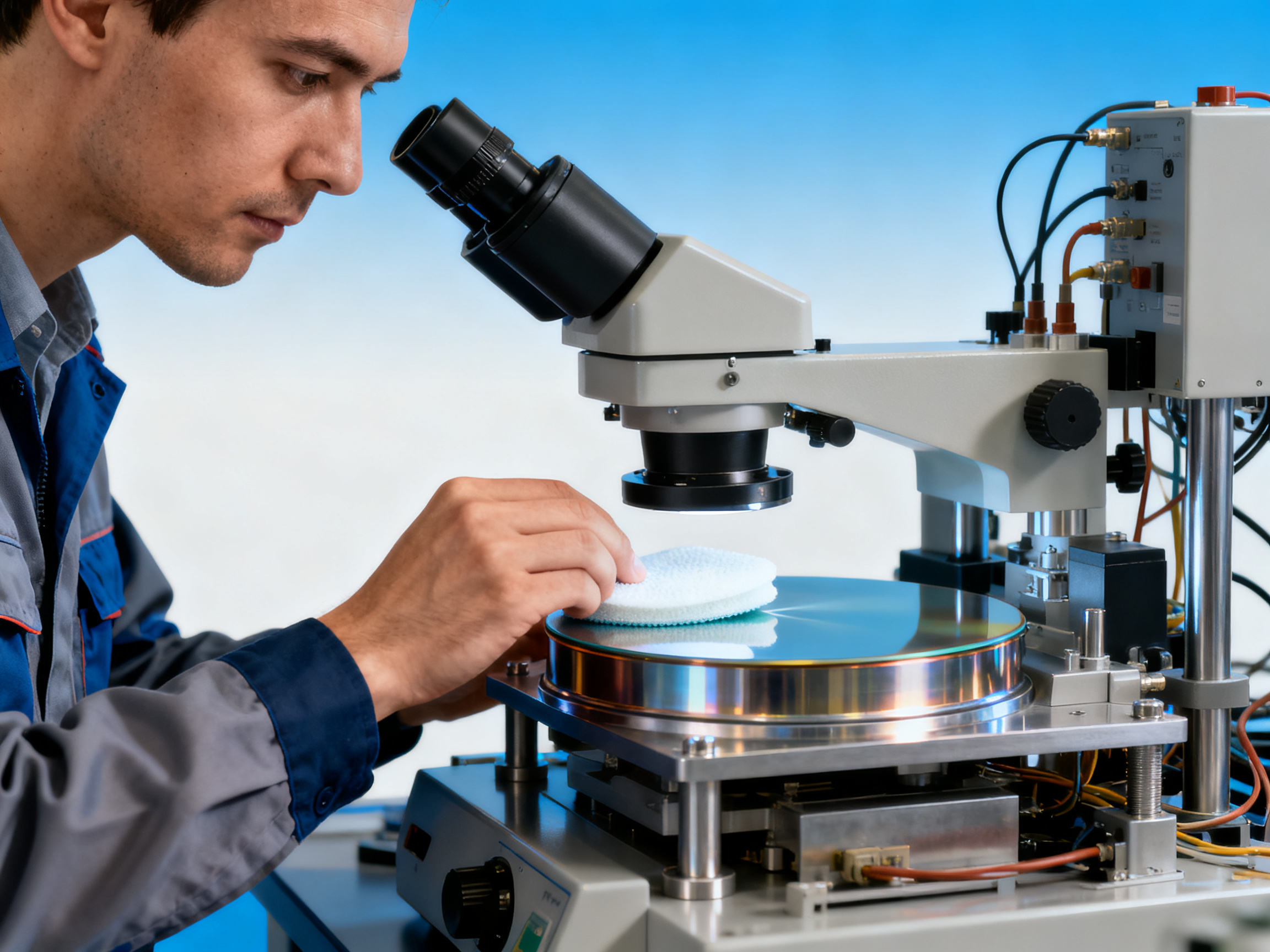
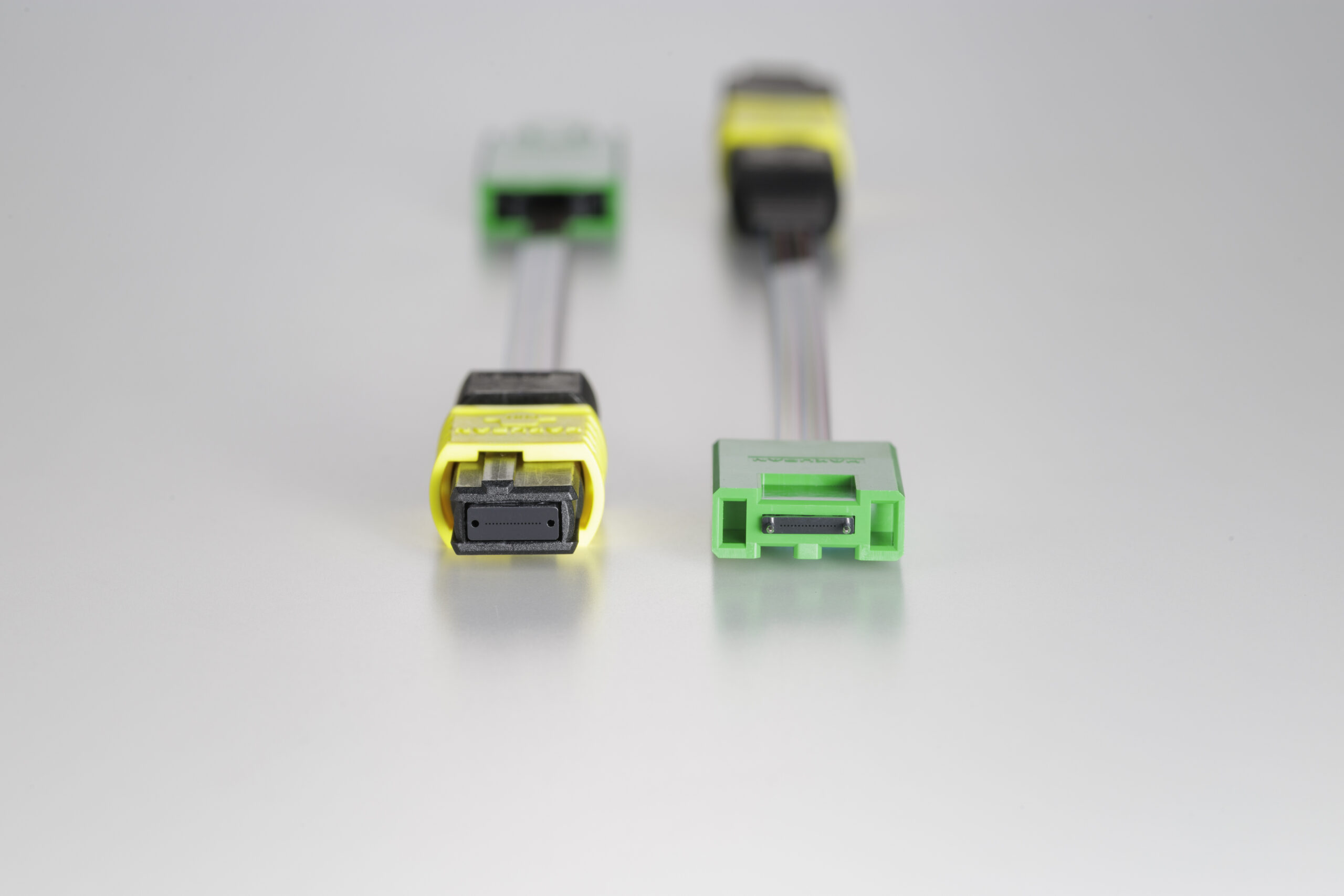
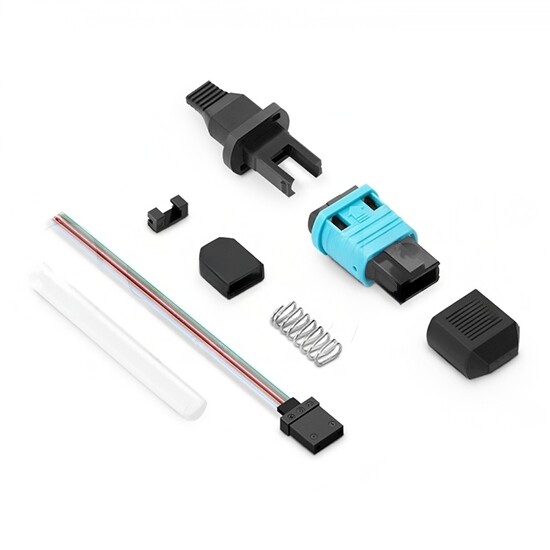
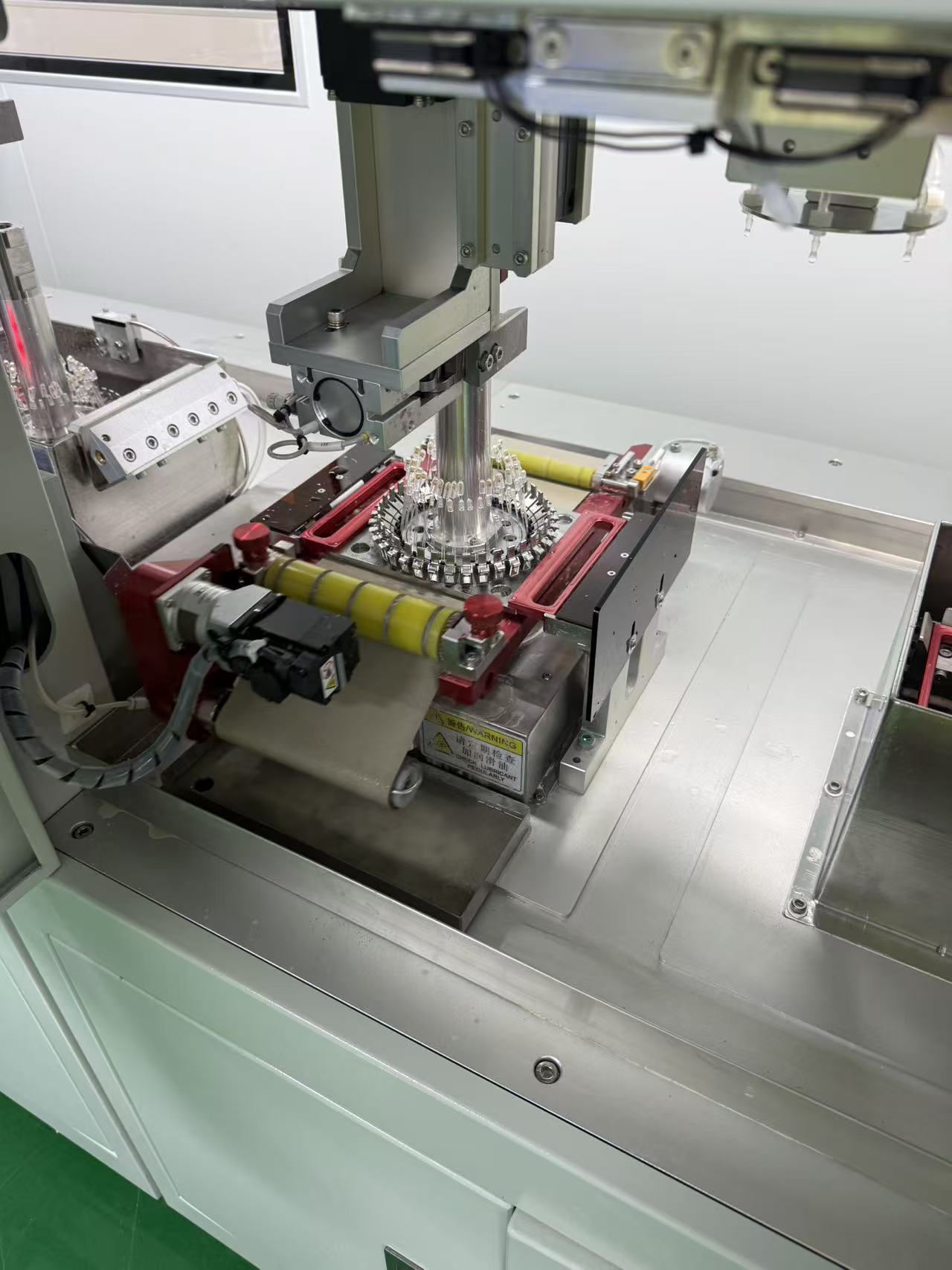
Production‑Ready MTP® / MPO Ferrule Polishing SOP
(Compliant with IEC 61755 / Telcordia GR‑326 standards)
This standard operating procedure is based on real polishing steps documented in industry sources for MTP/MPO ferrules (e.g., 12F, 16F, 24F, 32F and higher density). It reflects common film/slurry sequences, materials, and process considerations used in production lines. Lapping Film+1
1. Purpose
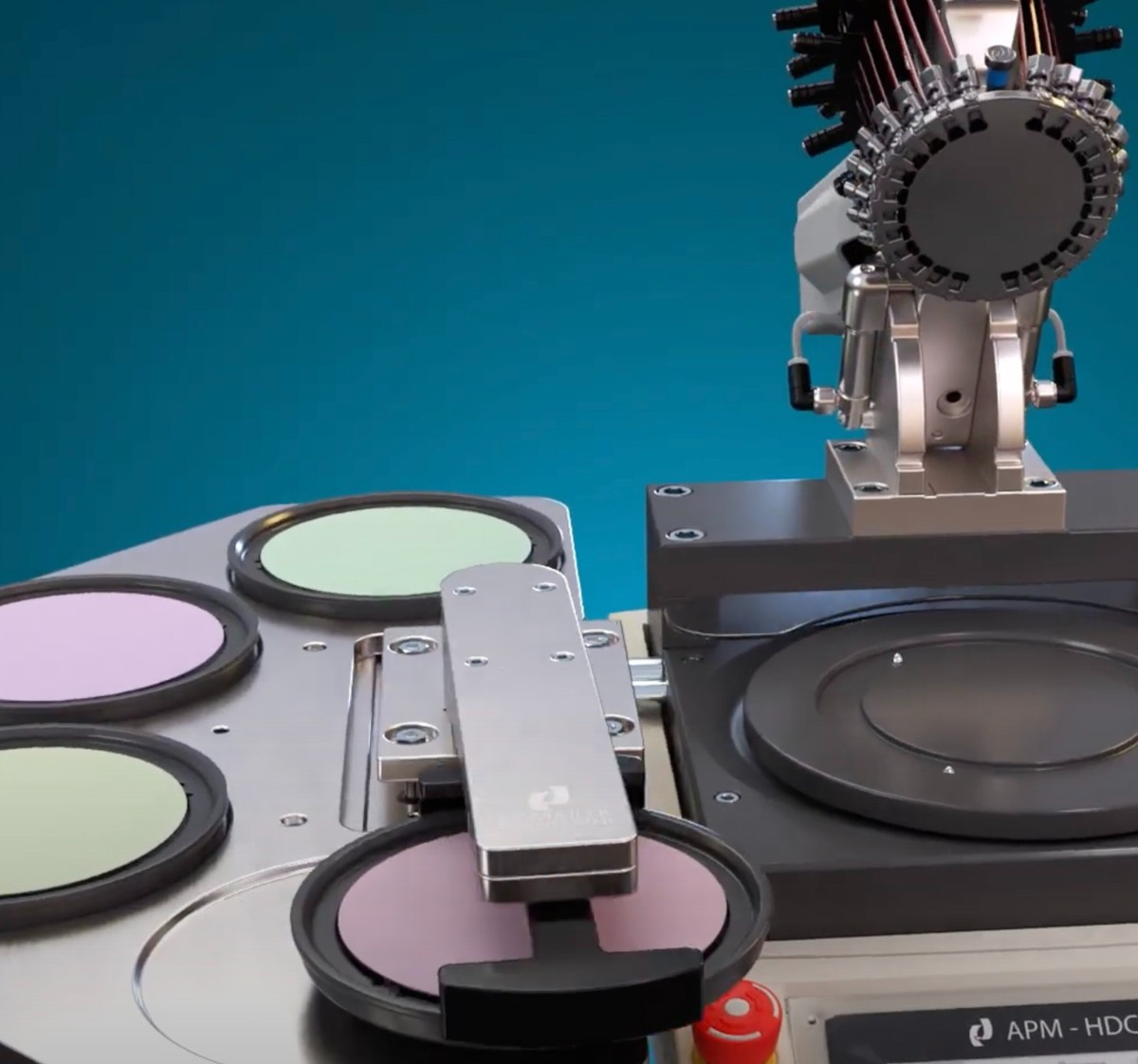
Provide a controlled, repeatable process for polishing MTP/MPO connectors to achieve:
Precise fiber height and radius control
Low insertion loss (IL) and high return loss (RL)
Mirror‑finish endfaces free of scratches or pits
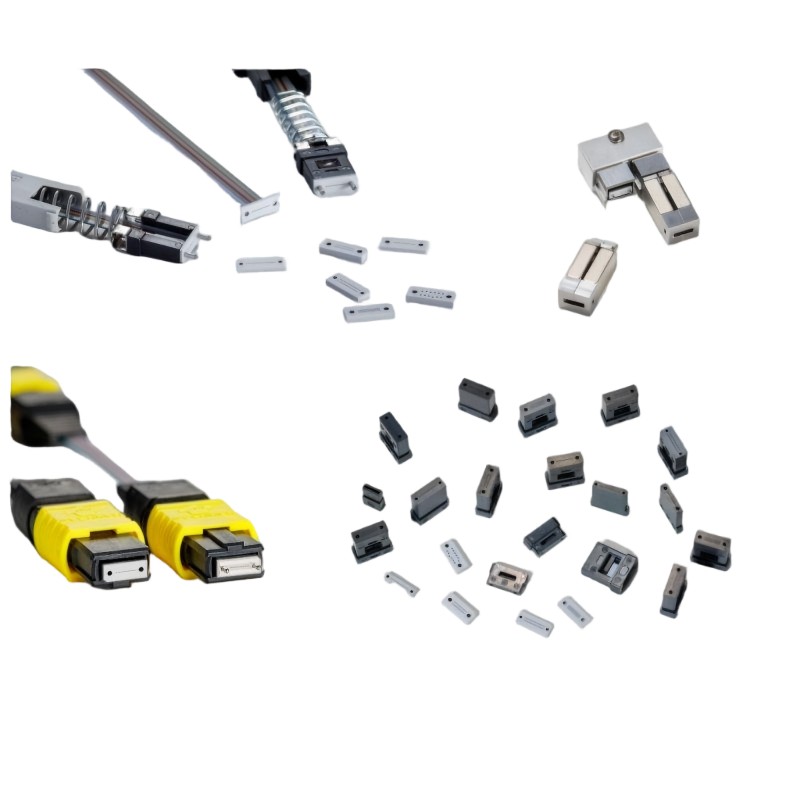
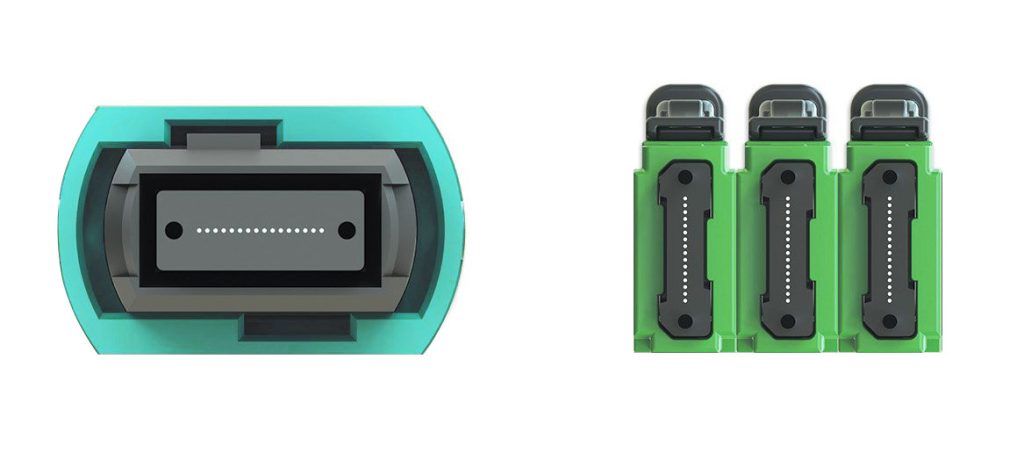
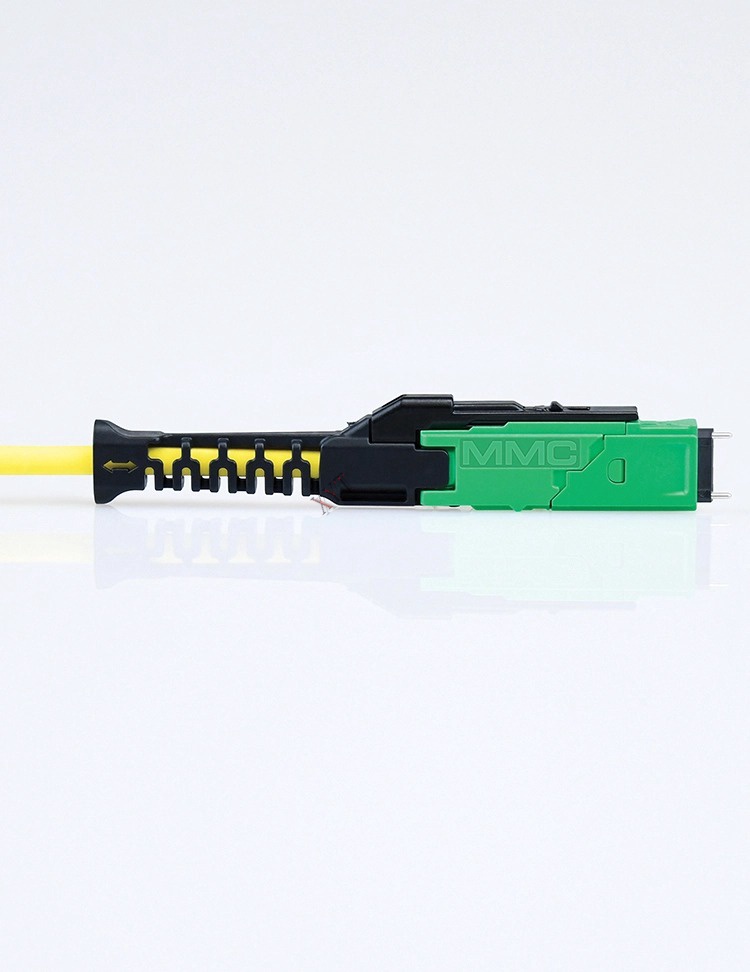
Connector types covered: MTP-12, MTP-16, MTP-24, MTP-32 and higher density (UPC and APC variants). Lapping Film
2. Equipment & Consumables
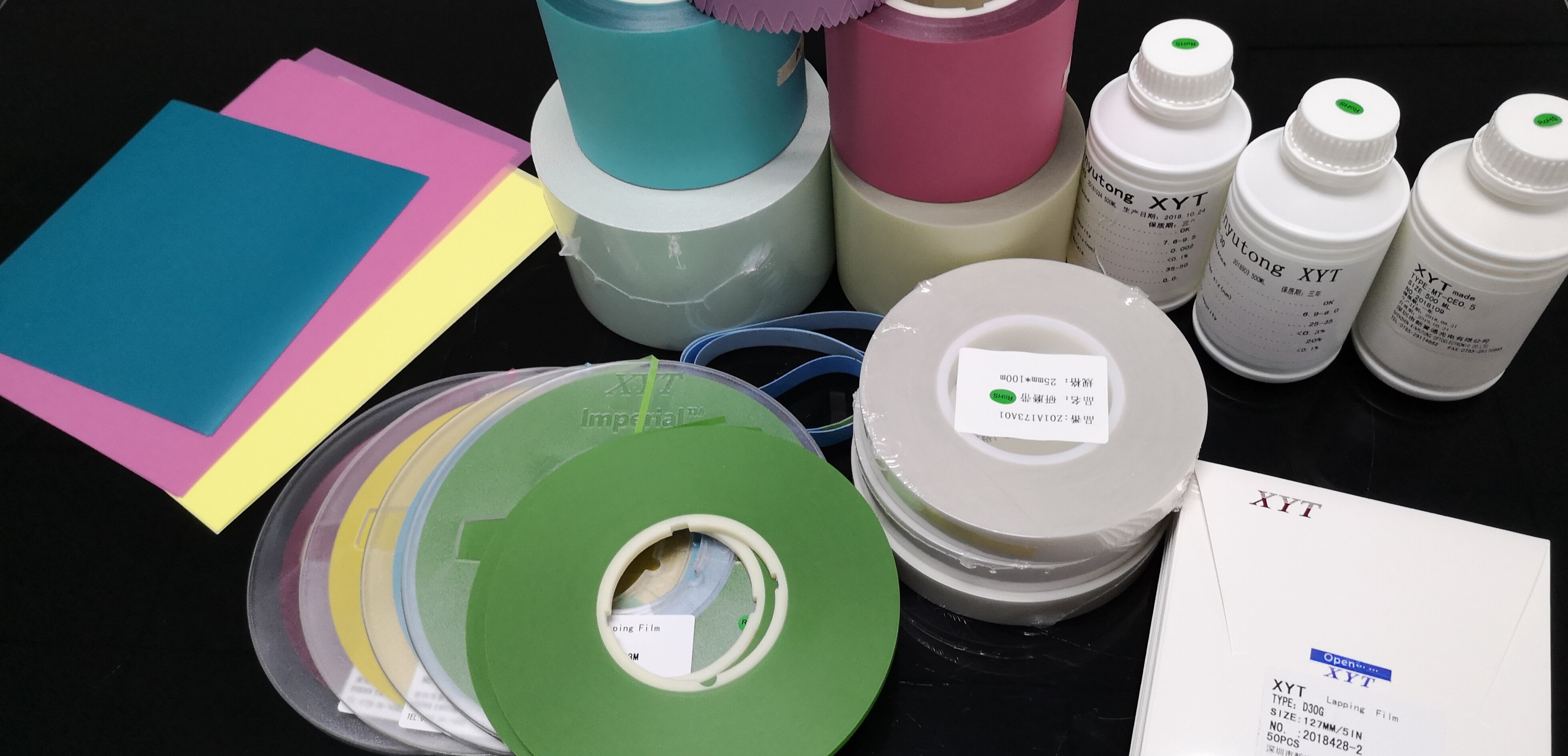
Polishing films & slurries
Silicon Carbide (SiC) film/slurry
Diamond lapping film
Aluminum Oxide (Al₂O₃) film/slurry
Silicon Dioxide (SiO₂) or Cerium Oxide (CeO₂) sub‑micron finishes
(All used in multi‑step sequences documented for MTP/MPO ferrule polishing) Lapping Film+1
Polishing pads
Glass, ceramic, or precision hard platens
Pads chosen to match polishing film/slurry and connector type Lapping Film
Fluid
DI water or DI water + polishing slurry
IPA (isopropyl alcohol) for cleaning between steps
Inspection
Fiber inspection microscope
Interferometer for geometry, radius, fiber height
IL/RL test set
3. Safety & Cleanliness
✔ Use lint‑free wipes
✔ Rinse and dry after every step
✔ Avoid cross‑contamination between grits
✔ Use fresh films/slurry — do not reuse across steps Lapping Film
4. Standard Polishing Sequence – Multi‑Step Workflow
Step 1 – Epoxy Removal & Pre‑Geometry
Goal: Remove epoxy flash/uneven surface; set baseline geometry
Step 2 – Geometry Shaping & Fiber Height Control
Goal: Define radius, fiber height uniformity
Step 3 – Fine Pre‑Polish
Goal: Remove coarse scratches and prepare for final finish
Step 4 – Final Optical Polish
Goal: Achieve mirror finish, low micro‑scratches
5. Process Parameters
Pressure: Moderate, consistent, avoid heavy pressure
Lubrication: DI water or appropriate slurry fluid
Motion: Orbital or figure‑8 on flat platen
Inspection between steps: Microscopy + cleaning
Post‑polish test: IL/RL with optical test set
6. Inspection & Criteria
Inspect after each step
✔ No deep scratches or pits
✔ Uniform fiber height (within hundreds of nm)
✔ Controlled radius and apex offset
✔ Final IL/RL meets connector specification
Rework guidance
Scratches remain: Repeat previous grit or step up grit as needed
Geometry issue: Adjust dwell time or return to earlier grit stage
Contamination: Clean thoroughly and resume correct grit progression
7. Notes & Tips (Industry Practice)
? Always use fresh films and slurries for each production run.
? Thorough cleaning between every stage is essential to avoid cross‑contamination.
? Monitor fiber height and geometry with reliable instruments.
? For APC connectors, set and verify angle at the epoxy removal stage. Lapping Film
8. Summary: Recommended Grit Progression
Typical sequence for high‑performance MTP/MPO ferrules (12F–32F):
SiC / Diamond – 15–30 µm → epoxy removal
SiC / Diamond – 9–3 µm → geometry & fiber height
SiC / Diamond / Al₂O₃ – 1 µm → pre‑polish
SiO₂ or CeO₂ – sub‑µm → final optical finish Lapping Film+1
Key Takeaways
✔ MTP/MPO polishing is a multi‑stage, diminishing grit process.
✔ Start with aggressive removal, finish with precision sub‑micron polishing.
✔ Cleaning and fresh consumables are essential for top performance.
✔ Final finish quality directly impacts IL and RL.
Online Consultation
Related Suggestion
 Diamond Lapping Film: Complete Guide to Precision Polishing Technology and Applications
 Lapping Film: The Complete Guide to Precision Polishing, Types, Applications, and Selection
 MMC & MT Lapping Polishing Film: Premium Quality for High-Efficiency Polishing
 XYT Lapping Film for VSFF MMC16, MMC24, MMC32 Polishing
 Step-by-step SOP for MMC VSFF/TMT Polishing Solutions Guide
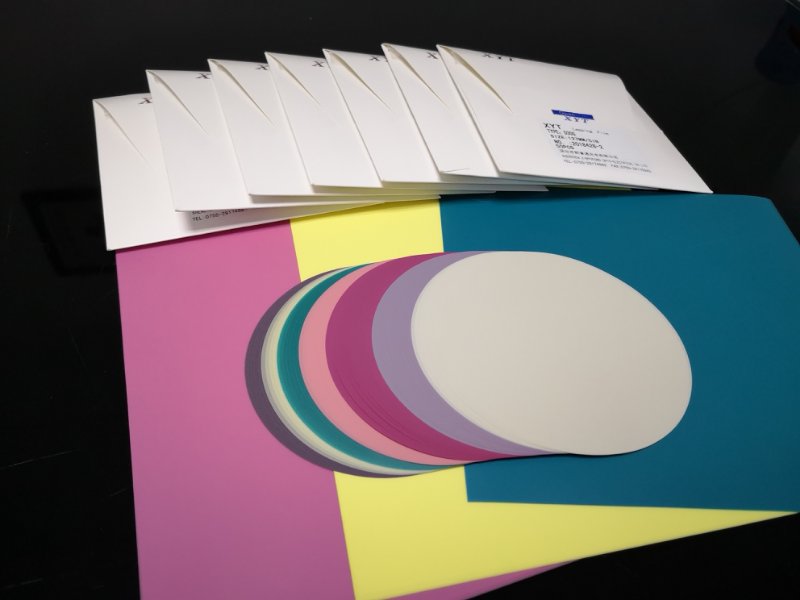
 Lapping Film Discs and Sheets for Laboratories
, MTCT®, and MT Ferrules Connectors") Lapping Film for PMT, Co‑Packaged Optics (CPO), MTCT®, and MT Ferrules Connectors
Lapping Film for PMT, Co‑Packaged Optics (CPO), MTCT®, and MT Ferrules Connectors XYT Precision Lapping Films and Polishing Consumables for MPO, MTP, and MMC Connectors
 High-Yield MPO/MTP/MMC Polishing Solution for Fiber Optic Patch Cord Ferrules
 Lapping Discs & Sheets – Diamond & Aluminum Oxide | Precision Polishing
 Explore Aluminum Oxide Lapping Film: 0.05 µm – 60 µm Grit Sizes | Discs & Sheets
 0.5 µm PSA Aluminum Oxide Lapping Film Discs & Sheets | Ultra-Fine Polishing
 30 µm PSA Aluminum Oxide Lapping Film Discs & Sheets | Coarse Polishing
 15 µm PSA Aluminum Oxide Lapping Film Discs & Sheets | Coarse Polishing
 12 µm PSA Aluminum Oxide Lapping Film Discs & Sheets | Coarse-to-Medium Pre-Polishing
 9 µm PSA Aluminum Oxide Lapping Film Discs & Sheets | Pre-Polishing
 6 µm PSA Aluminum Oxide Lapping Film Discs & Sheets | Pre-Polishing
Get in Touch
*We respect your confidentiality and all information are protected.