
PRODUCTS
‹
›
‹
›





Product Details
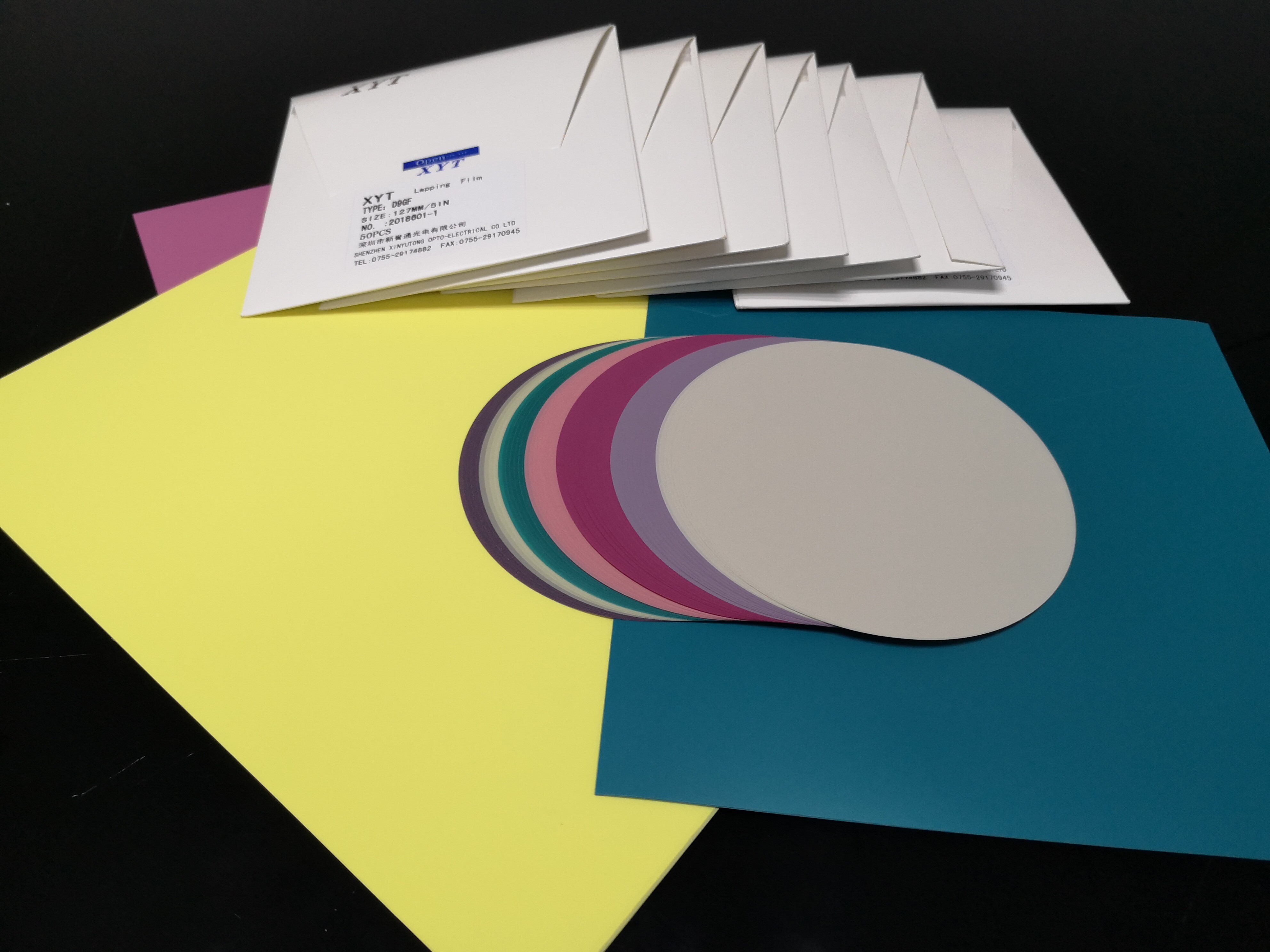
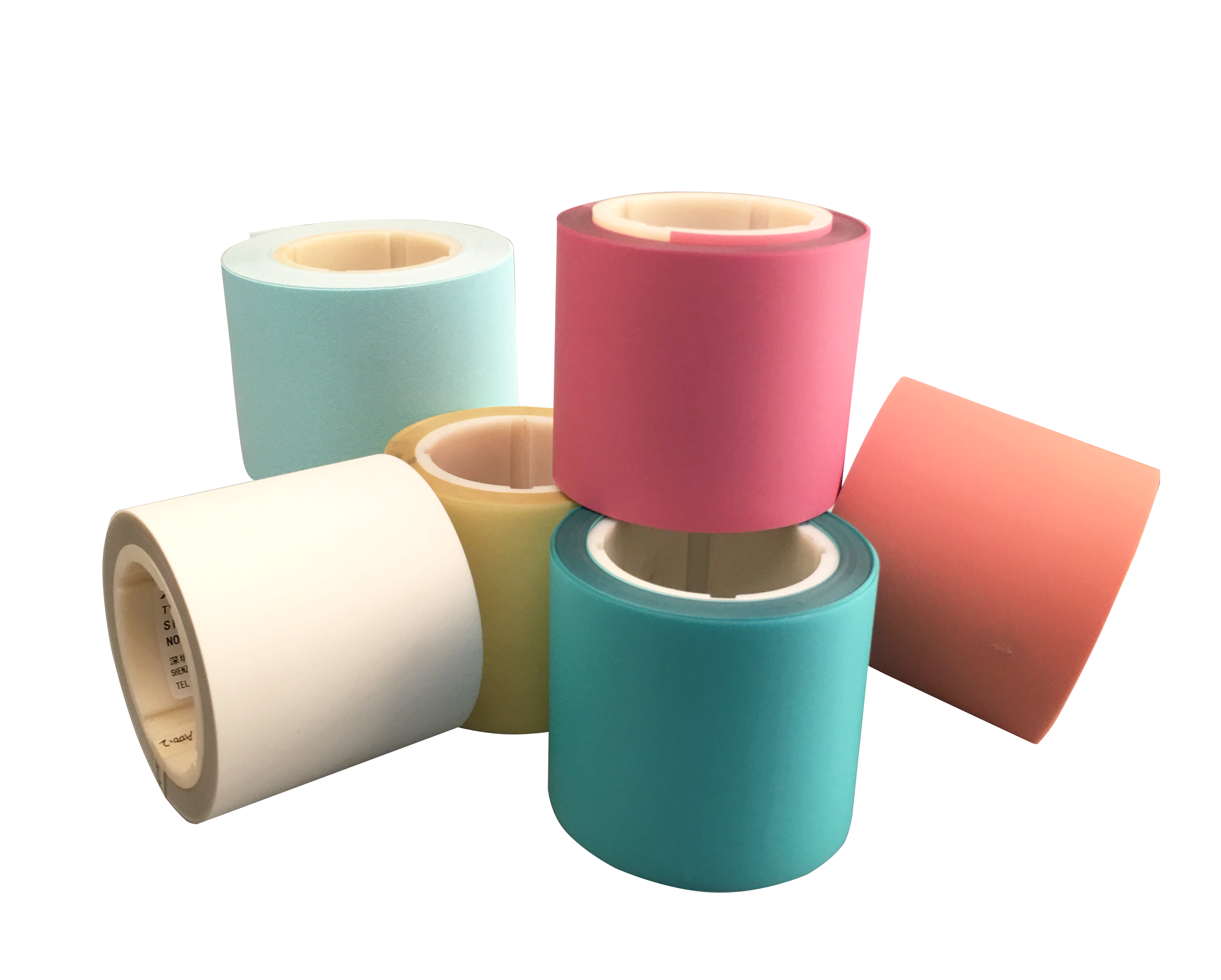
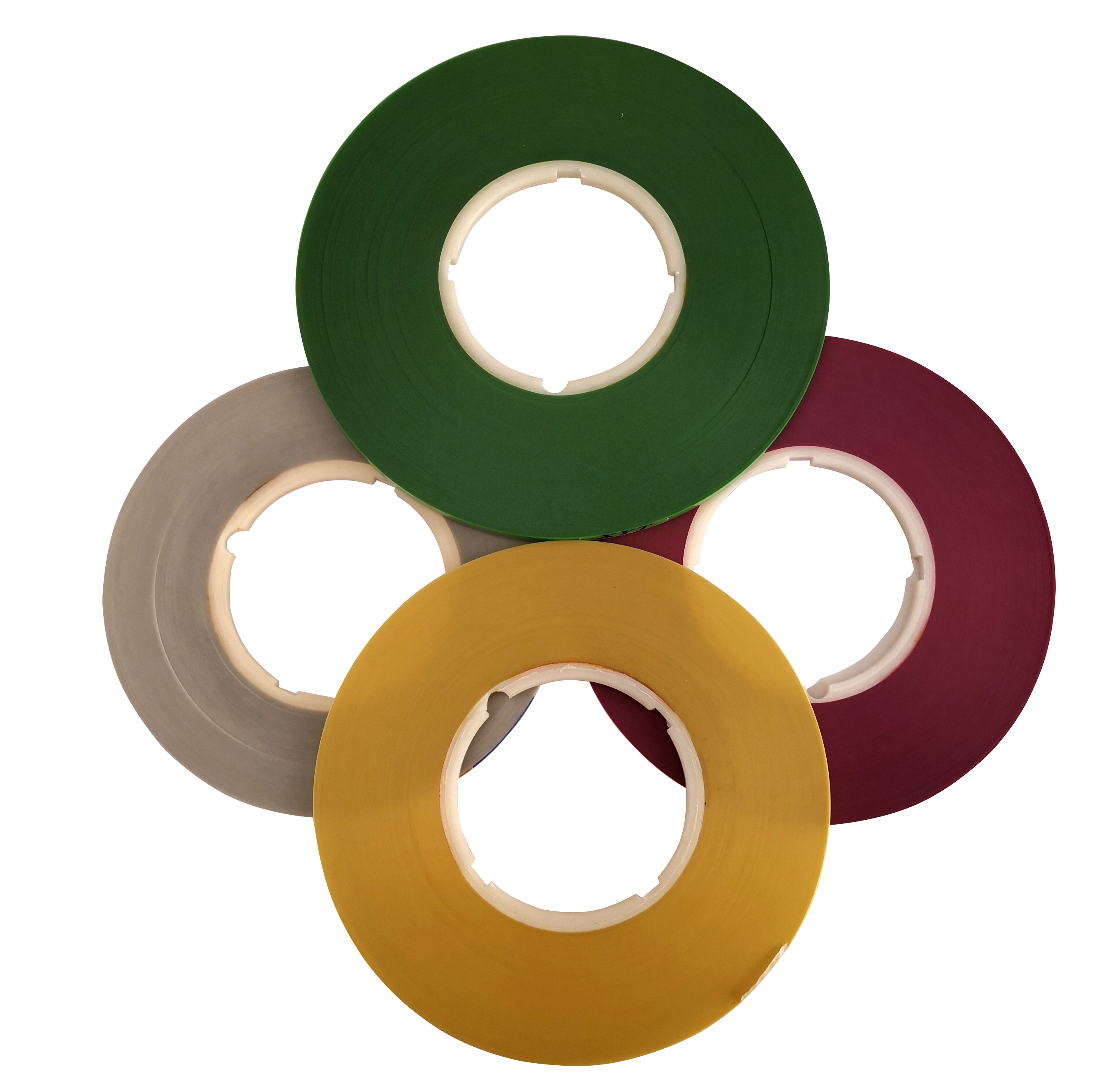
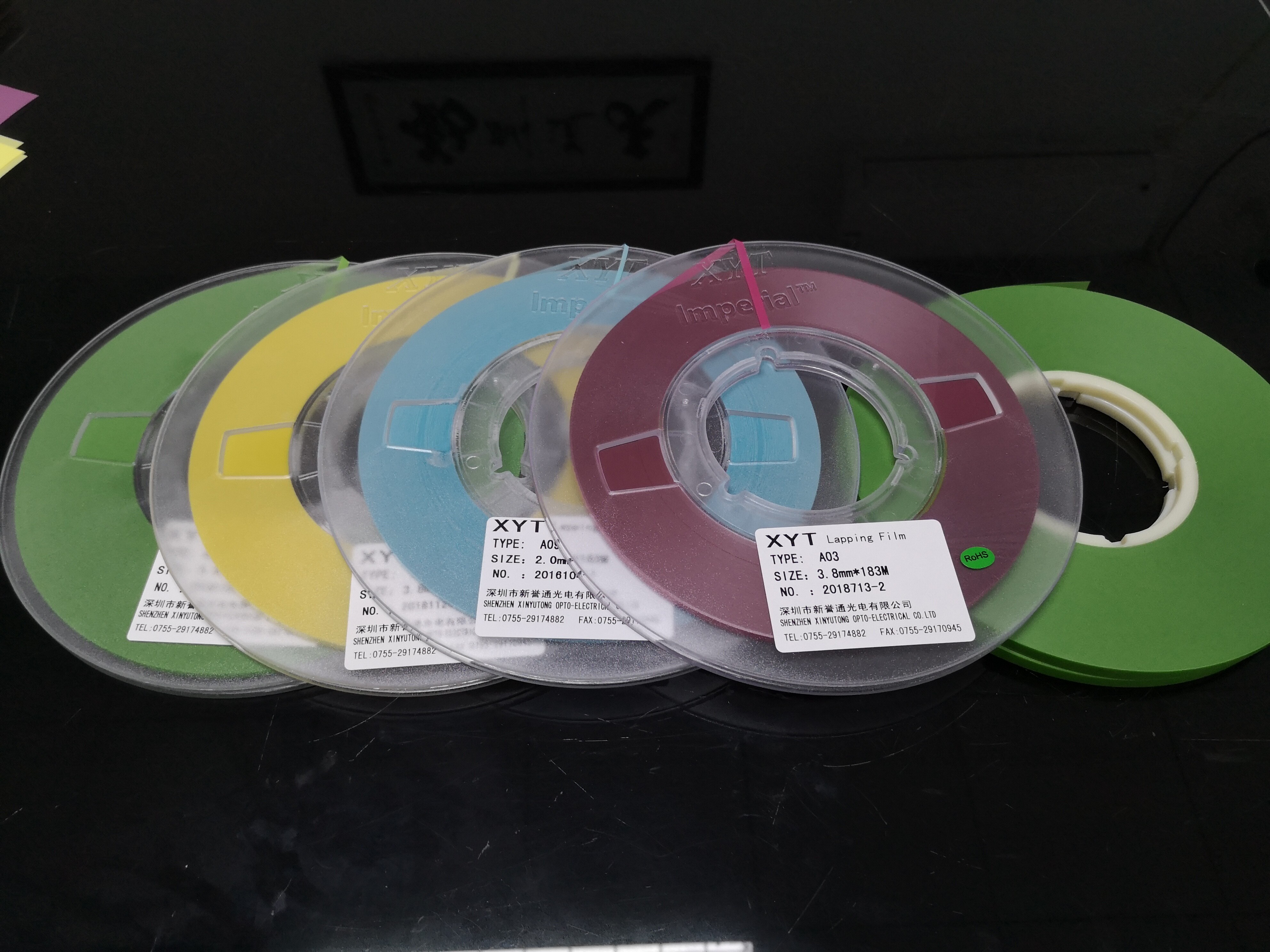
Silicon Carbide Lapping Film in Fiber Optics
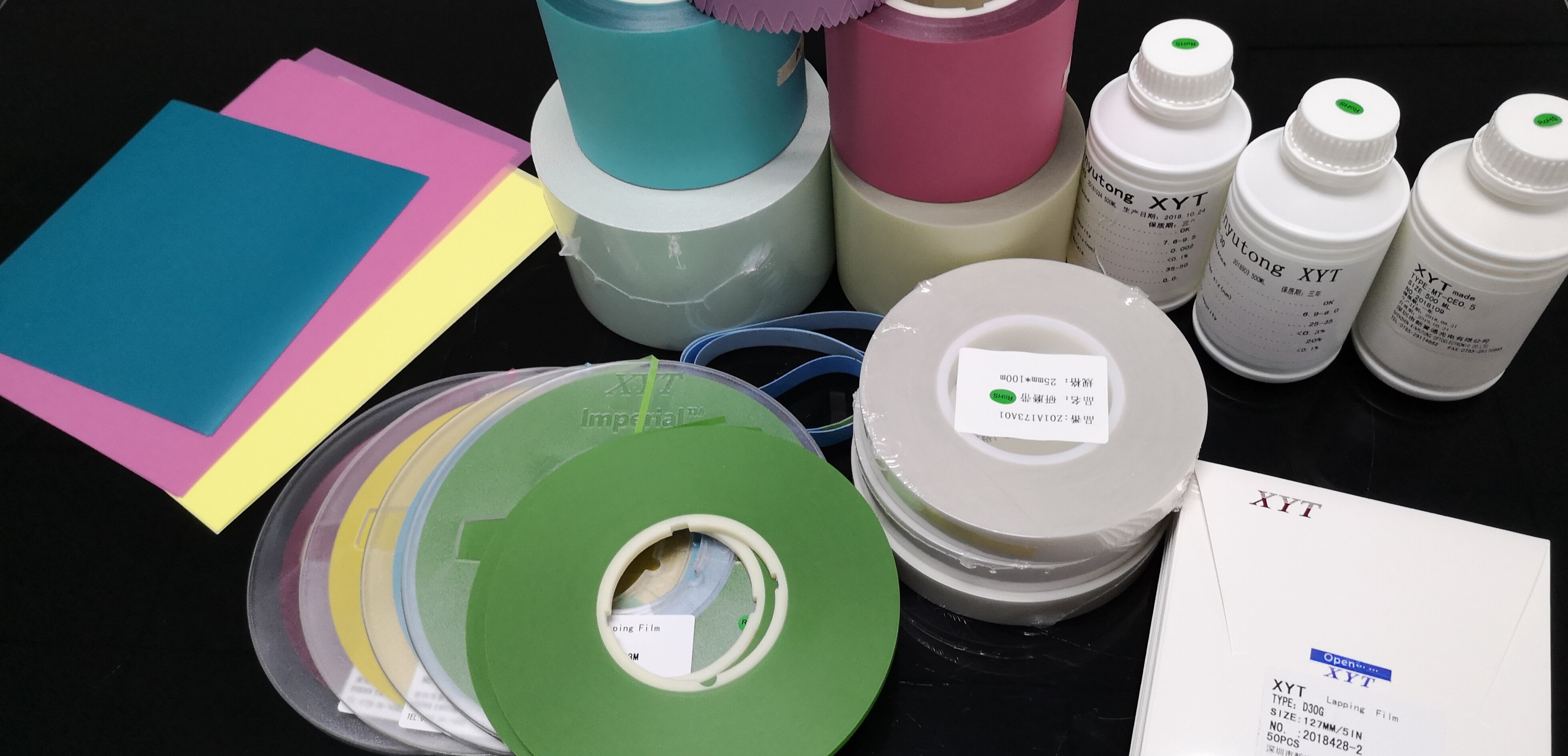
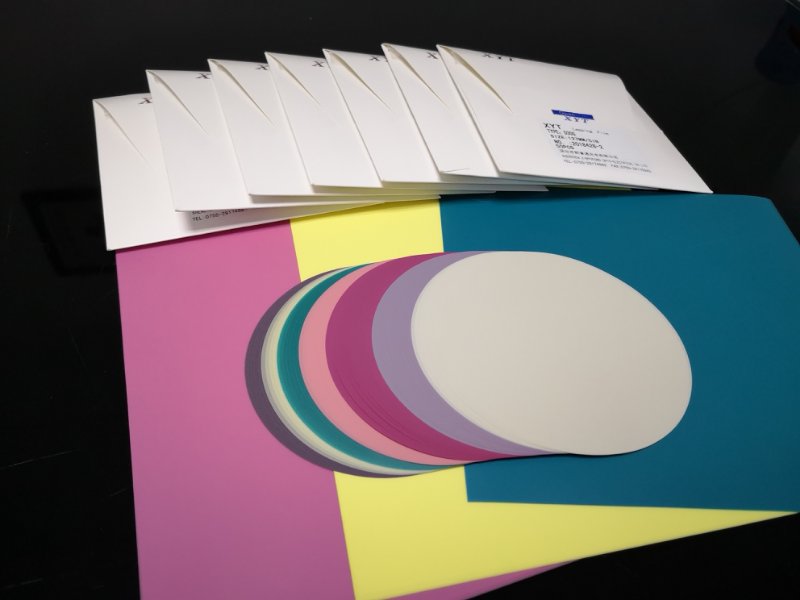
Silicon carbide (SiC) lapping films are high-performance abrasives used in the pre-polishing and surface preparation stages of fiber optic components. While diamond films are often used for final polishing, SiC lapping films serve as a cost-effective and effective option for shaping, leveling, and smoothing hard materials like ferrules and connector end faces.
1. Purpose of SiC Lapping Film in Fiber Optics
Silicon carbide lapping film is primarily used to:
Flatten and shape the ferrule end face – Ensures proper fiber alignment and contact.
Remove excess epoxy or cured adhesive – During fiber termination in MPO/MTP or SC/LC connectors.
Prepare the surface for fine polishing – Reduces deep scratches and produces a uniform substrate for subsequent diamond or cerium oxide polishing films.
Control surface roughness and geometry – Critical for minimizing insertion loss (IL) and return loss (RL) in fiber optic connections.
SiC is hard enough to efficiently remove material from ceramic ferrules (zirconia, Al₂O₃), but is less aggressive than coarse diamond for final surface polishing.
2. Typical Grit Selection for Fiber Optic Lapping
SiC lapping films are available in multiple micron grades, chosen according to the fiber polishing stage:
Note: Final optical polishing is typically done with diamond or cerium oxide films to achieve optical-grade surface finish.
3. Fiber Optic Components Processed with SiC Lapping Films
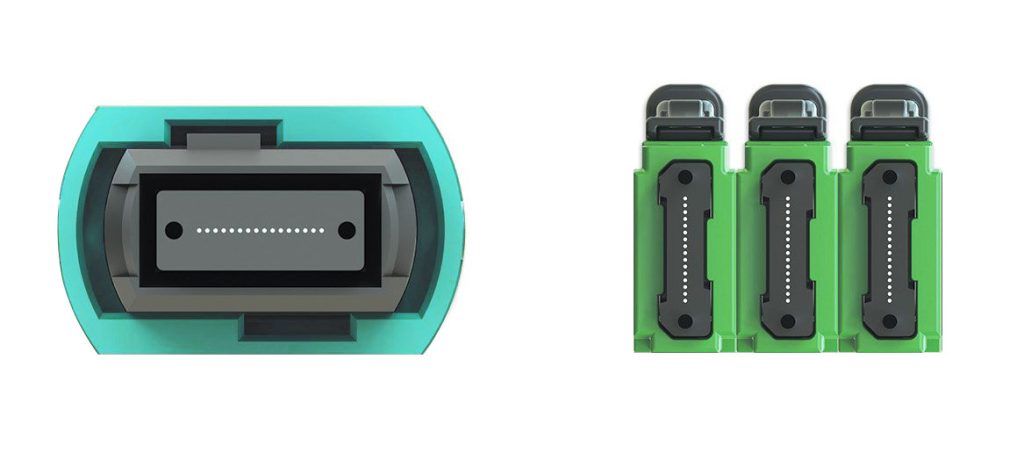
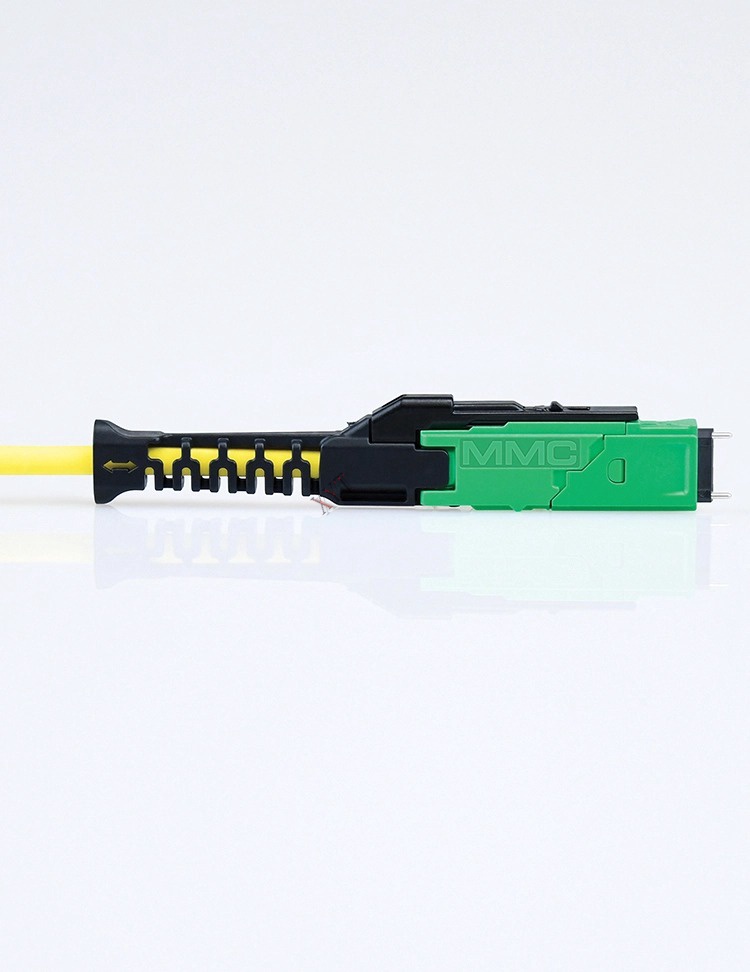
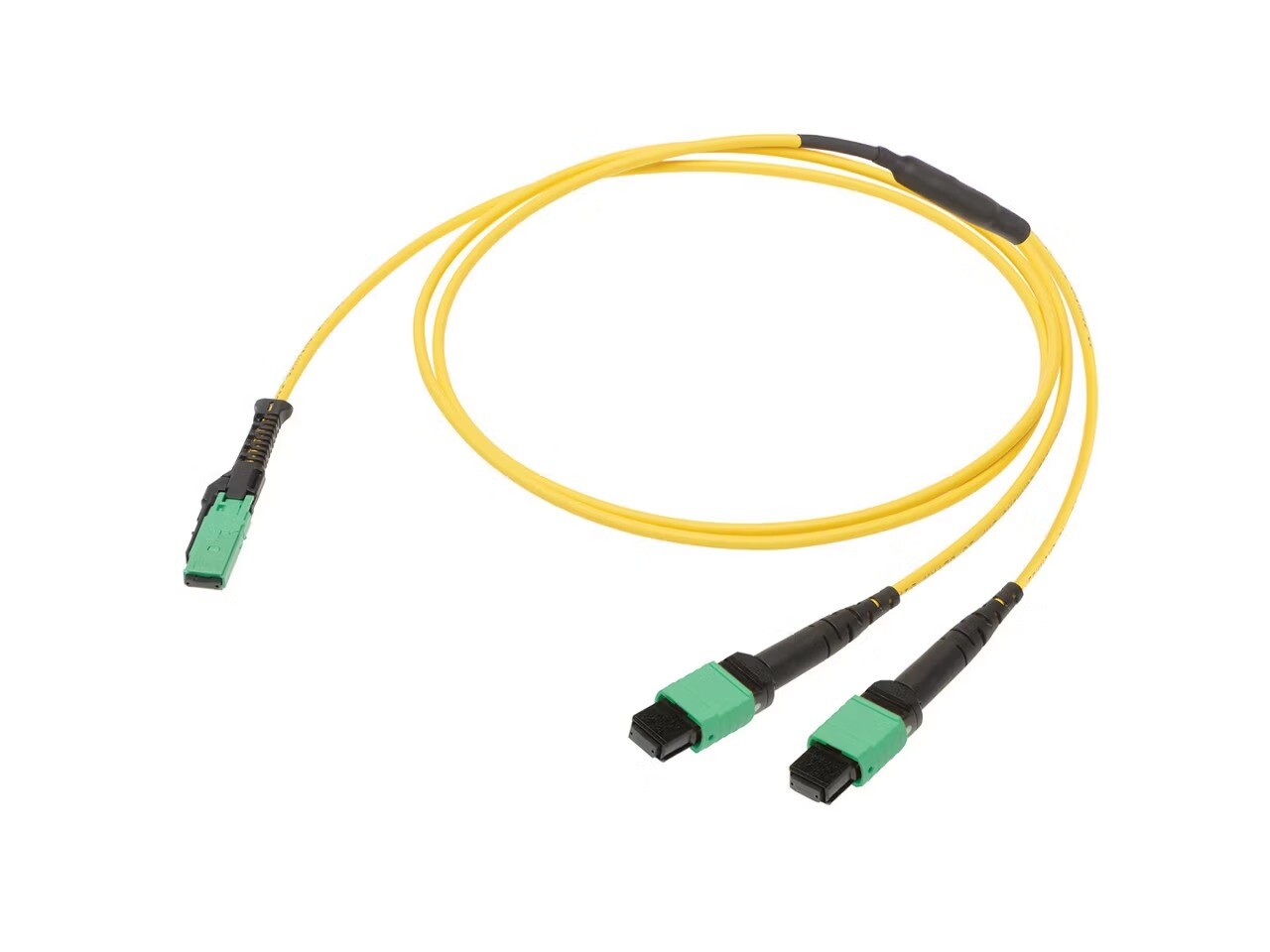
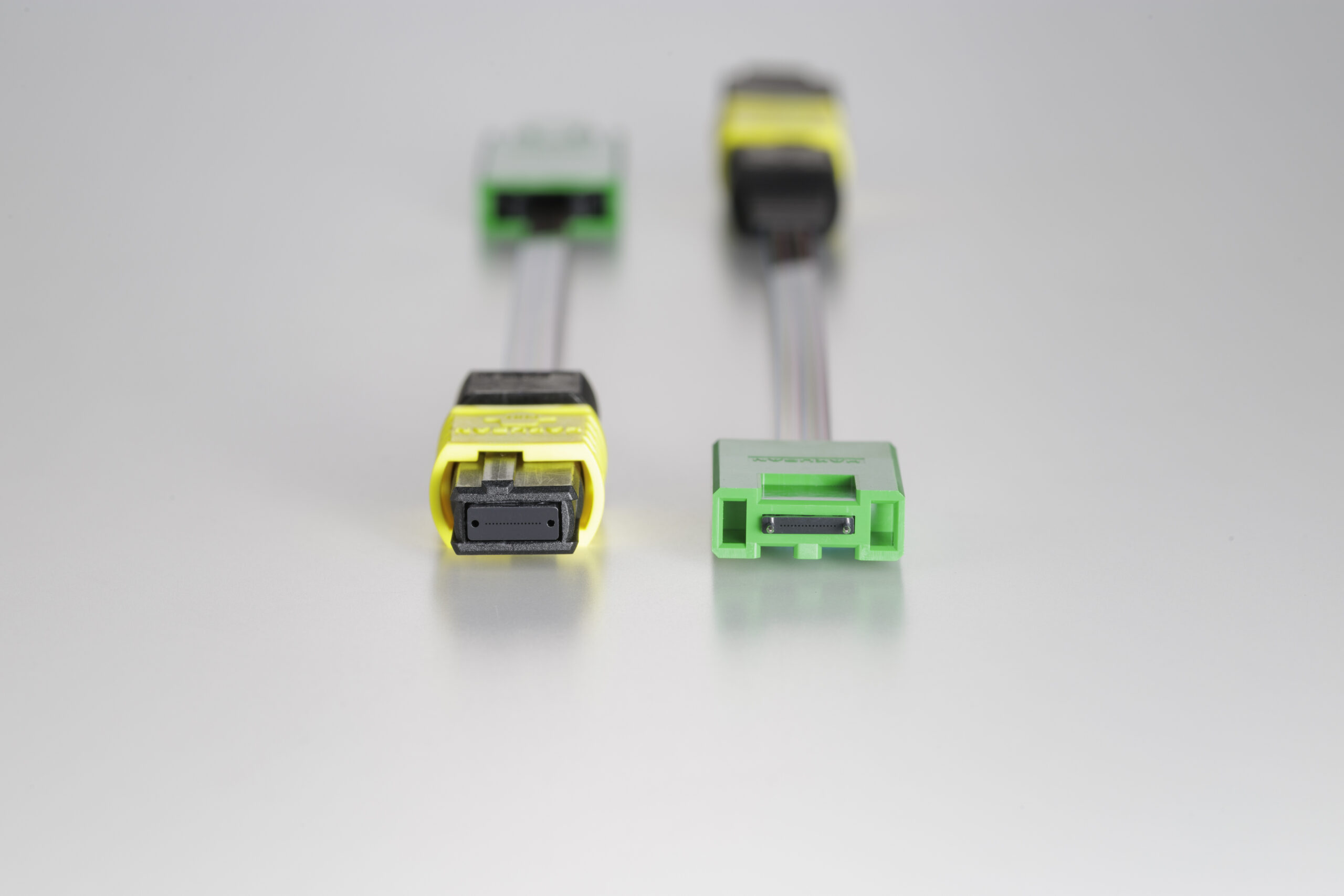
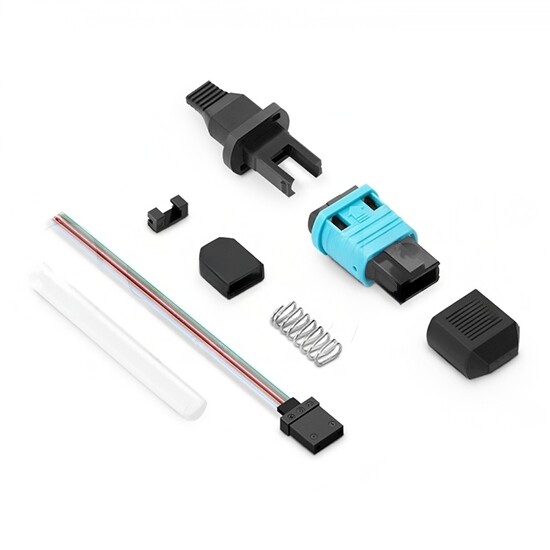
MPO / MTP® connectors – multi-fiber ferrules requiring precise end-face geometry.
Single-fiber SC, LC, FC connectors – zirconia ferrules and polymer coatings.
Fiber ribbon assemblies – flattening and pre-polishing before final diamond/oxide polish.
The goal is to ensure planar, scratch-free surfaces that enable low-loss fiber coupling.
4. Process Steps Using SiC Lapping Film
Mount the ferrule in a polishing fixture – Align fiber with film surface.
Select appropriate grit – Typically 15 µm or 9 µm for initial lapping.
Apply controlled pressure – Ensure uniform material removal.
Move ferrule in figure-eight or circular motion – Prevents uneven wear and scratches.
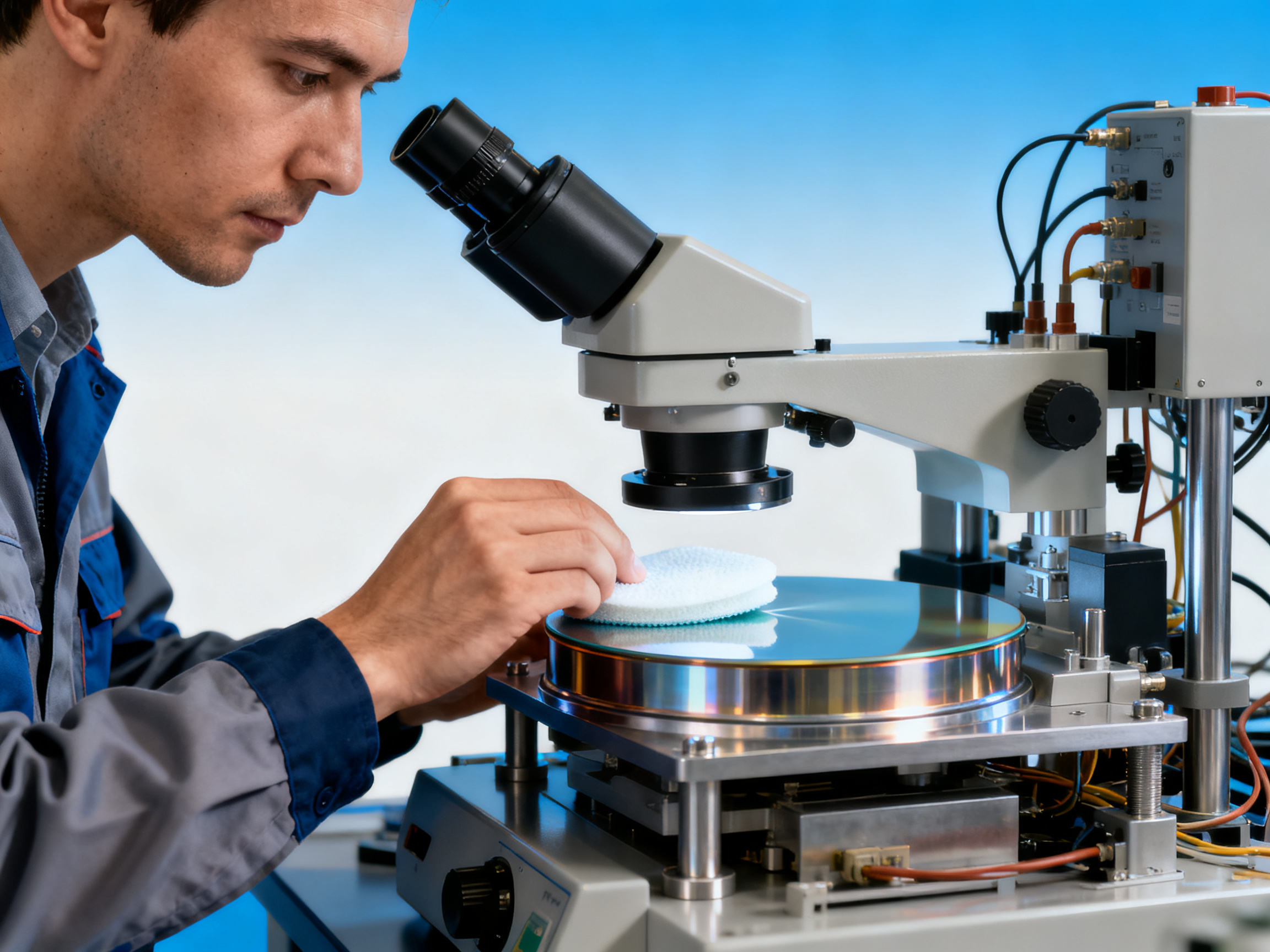
Inspect surface between steps – Microscope or interferometry to check flatness and scratch depth.
Progressively switch to finer grit films – 6 µm → 3 µm → 1 µm.
Transition to diamond or cerium oxide film for final polishing – Achieves optical-grade Ra (<0.03 µm).
5. Advantages of Using SiC Lapping Films
Cost-effective compared to diamond films for pre-polishing
High material removal rate for tough ferrule materials
Consistent scratch patterns and surface leveling
Compatible with wet polishing (DI water) and dry polishing
Reduces the polishing time needed for final optical-grade finish
6. Practical Considerations
Pressure and motion must be controlled to avoid ferrule cracking.
Film thickness (typically 75 µm or 125 µm) affects flexibility and conformity to the ferrule surface.
Lubrication (DI water) ensures smooth movement and prevents clogging.
SiC is generally not used for the final optical polish—diamond or cerium oxide films produce the required ultra-low Ra and optical quality.
Summary
In fiber optics, silicon carbide lapping films are a critical pre-polishing tool for preparing connector ferrules and fiber surfaces. They flatten, level, and refine hard materials before the final high-precision diamond or cerium oxide polishing. Proper use of SiC lapping films ensures low insertion loss, high return loss, and long-term reliability of fiber optic connections.
SOP: Silicon Carbide Lapping Film for Fiber Optic Connector Polishing (MPO/MTP, SC, LC)
1. Objective
To prepare fiber optic ferrules for final optical-grade polishing by using silicon carbide (SiC) lapping films to:
Flatten ferrule end faces
Remove excess epoxy
Minimize scratches and surface defects
Ensure proper geometry for low insertion loss (IL) and high return loss (RL)
2. Scope
This SOP applies to:
MPO / MTP® multi-fiber ferrules
Single-fiber SC, LC, FC connectors
Zirconia ceramic ferrules and polymer-coated ferrules
Pre-polishing stages before diamond or cerium oxide finishing
3. Equipment & Materials
4. Procedure
Step 1: Mount Ferrule
Insert the ferrule into the polishing fixture.
Ensure fiber alignment is correct and perpendicular to the polishing surface.
Confirm that the fixture provides uniform pressure across the ferrule end face.
Step 2: Coarse Lapping
Select SiC / Diamond lapping film 30µm, 15 µm or 9 µm.
Wet the film lightly with DI water.
Place the ferrule fixture on the film.
Move in a figure-eight or circular motion to ensure even material removal.
Apply light, uniform pressure—avoid bending or rocking the ferrule.
Inspect the ferrule end face under a microscope for flatness and removal of epoxy or excess material.
Step 3: Intermediate Lapping
Replace film with 6 µm → 3 µm SiC / Diamond film.
Repeat figure-eight or circular motion with slightly reduced pressure.
Verify reduction of coarse scratches and improved flatness.
Clean the ferrule and inspect with a microscope.
Step 4: Fine Pre-Polishing
Use 1 µm SiC / Diamond / Aluminum oxide film for final pre-polish.
Reduce pressure to prevent over-lapping or scratches.
Ensure the ferrule surface is smooth, uniform, and free of deep scratches.
Wash ferrule thoroughly with DI water and lint-free wipes.
Step 5: Transition to Final Polishing
After SiC lapping, transition to diamond or cerium oxide polishing films:
0.5 µm cerium oxide film → optical-grade polishing.
Inspect end-face geometry using fiber interferometer or microscope.
Ensure Ra ≤ 0.03 µm for single-fiber connectors and minimal IL/RL loss.
5. Inspection Criteria
Flatness: Ferrule end face must be perpendicular to fiber axis
Surface Defects: No visible scratches, pits, or epoxy residues
Fiber Projection: Fiber should be flush or slightly recessed (as per connector spec)
Uniformity: Even polish across all fibers (for MPO/MTP)
6. Process Tips
Always progress from coarse to fine grit—skipping steps may cause deep scratches.
Maintain clean working area to avoid contamination.
Keep consistent pressure; uneven force can cause ferrule cracking or fiber damage.
Wet the SiC film with DI water for smooth motion and minimal particle embedding.
Replace SiC films when scratches appear inconsistent or abrasive shows wear.
7. Recommended Grit Sequence (Example)
8. Safety & Handling
Wear gloves to avoid contamination.
Handle fibers and ferrules carefully to prevent breakage.
Dispose of used SiC films and wipes according to safety guidelines.
9. Summary
Using silicon carbide lapping films in fiber optics provides:
Efficient pre-polishing and ferrule flattening
Reduced defects and surface irregularities
Improved optical performance after final diamond/cerium oxide polishing
By following this SOP, manufacturers achieve consistent, high-quality fiber optic end-faces, reducing insertion loss and maximizing connector performance.
Online Consultation
Related Suggestion
 Diamond Lapping Film: Complete Guide to Precision Polishing Technology and Applications
 Lapping Film: The Complete Guide to Precision Polishing, Types, Applications, and Selection
 MMC & MT Lapping Polishing Film: Premium Quality for High-Efficiency Polishing
 XYT Lapping Film for VSFF MMC16, MMC24, MMC32 Polishing
 Step-by-step SOP for MMC VSFF/TMT Polishing Solutions Guide
 Lapping Film Discs and Sheets for Laboratories
, MTCT®, and MT Ferrules Connectors") Lapping Film for PMT, Co‑Packaged Optics (CPO), MTCT®, and MT Ferrules Connectors
Lapping Film for PMT, Co‑Packaged Optics (CPO), MTCT®, and MT Ferrules Connectors XYT Precision Lapping Films and Polishing Consumables for MPO, MTP, and MMC Connectors
 High-Yield MPO/MTP/MMC Polishing Solution for Fiber Optic Patch Cord Ferrules
 Lapping Discs & Sheets – Diamond & Aluminum Oxide | Precision Polishing
 Explore Aluminum Oxide Lapping Film: 0.05 µm – 60 µm Grit Sizes | Discs & Sheets
 0.5 µm PSA Aluminum Oxide Lapping Film Discs & Sheets | Ultra-Fine Polishing
 30 µm PSA Aluminum Oxide Lapping Film Discs & Sheets | Coarse Polishing
 15 µm PSA Aluminum Oxide Lapping Film Discs & Sheets | Coarse Polishing
 12 µm PSA Aluminum Oxide Lapping Film Discs & Sheets | Coarse-to-Medium Pre-Polishing
 9 µm PSA Aluminum Oxide Lapping Film Discs & Sheets | Pre-Polishing
 6 µm PSA Aluminum Oxide Lapping Film Discs & Sheets | Pre-Polishing
Get in Touch
*We respect your confidentiality and all information are protected.