
PRODUCTS
‹
›
‹
›




Product Details
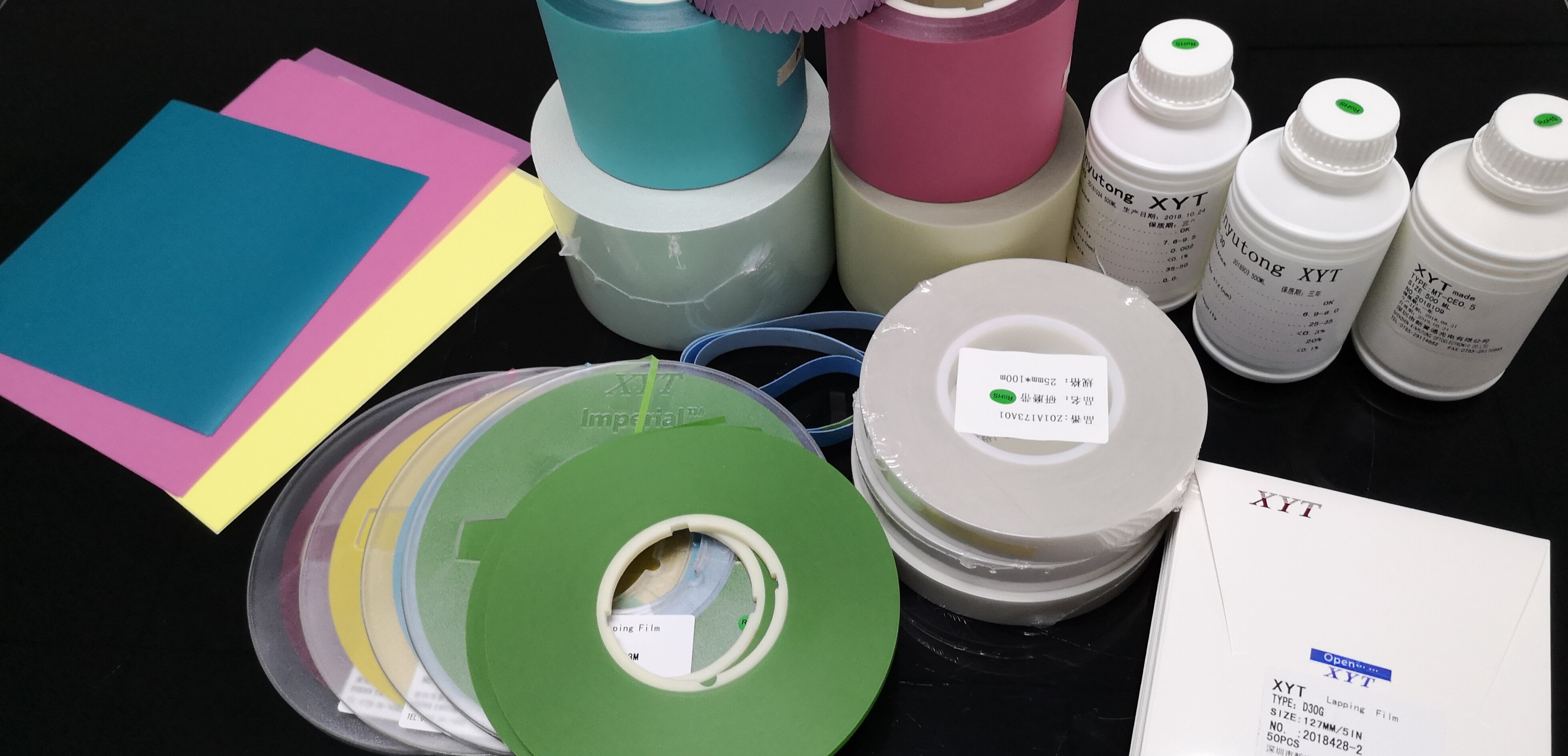
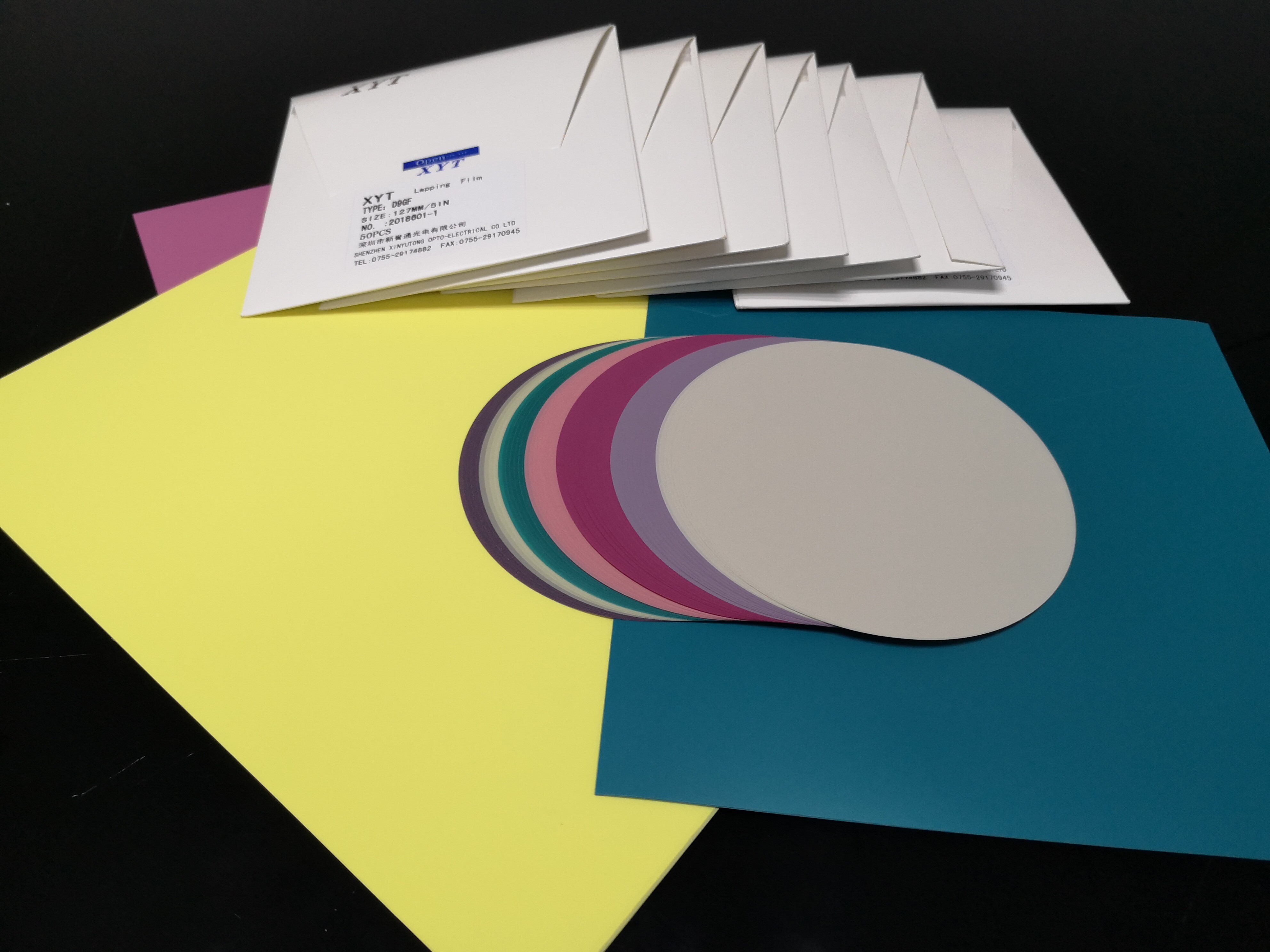
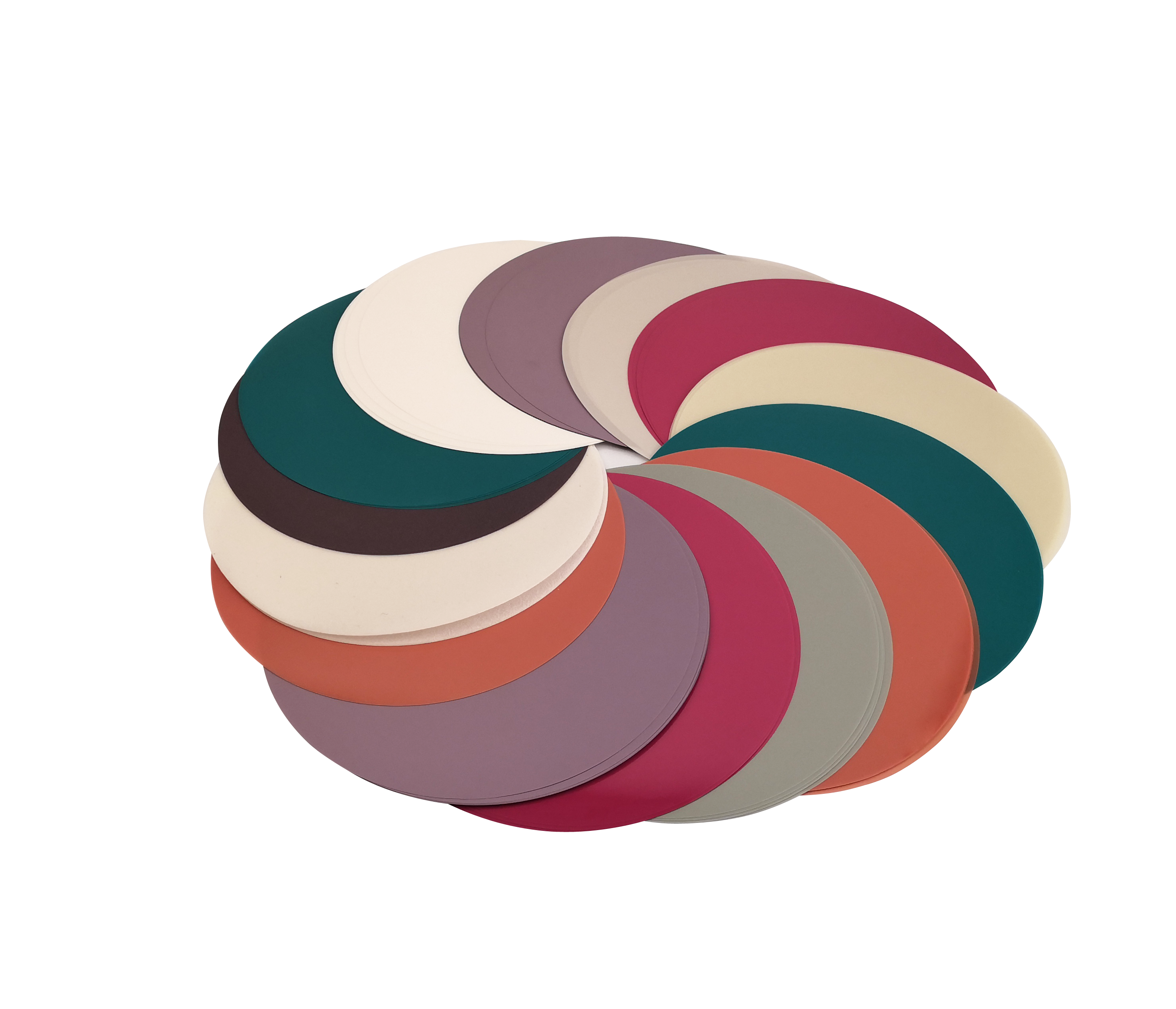
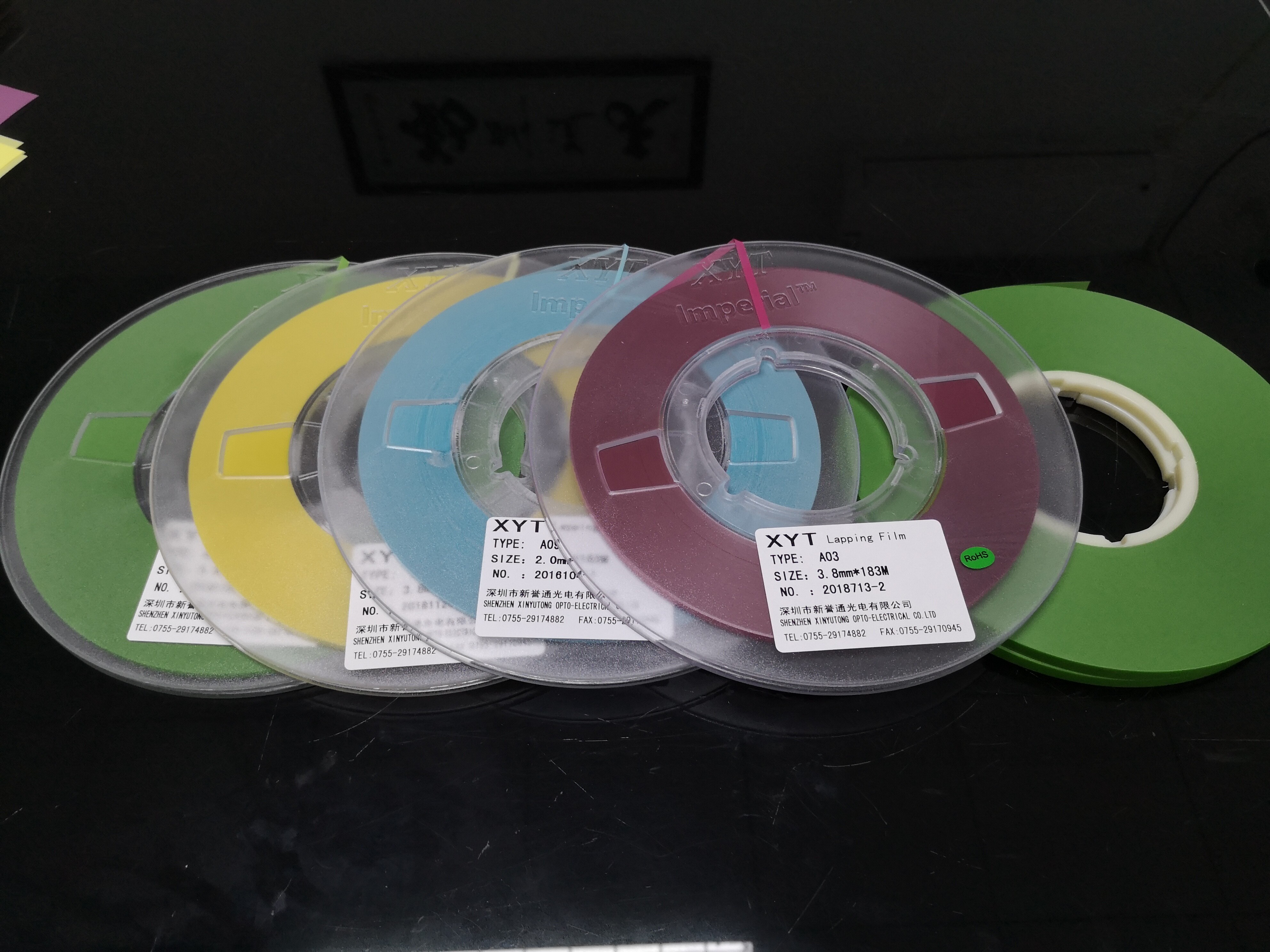
Diamond Lapping Film: The Ultimate Guide to Precision Surface Finishing
In modern precision manufacturing, achieving ultra-smooth surfaces and accurate dimensional control is essential for product performance and reliability. Diamond Lapping Film has become one of the most advanced abrasive solutions for industries requiring high precision, excellent surface quality, and consistent polishing performance.
With diamond particles as the cutting medium, diamond lapping film provides exceptional material removal efficiency, superior surface finishing capability, and excellent process repeatability compared with traditional abrasive materials.
It is widely used in:
- Fiber optic connector polishing
- Optical component finishing
- Semiconductor processing
- Ceramic polishing
- Precision mechanical parts
- Hard material surface finishing
What Is Diamond Lapping Film?
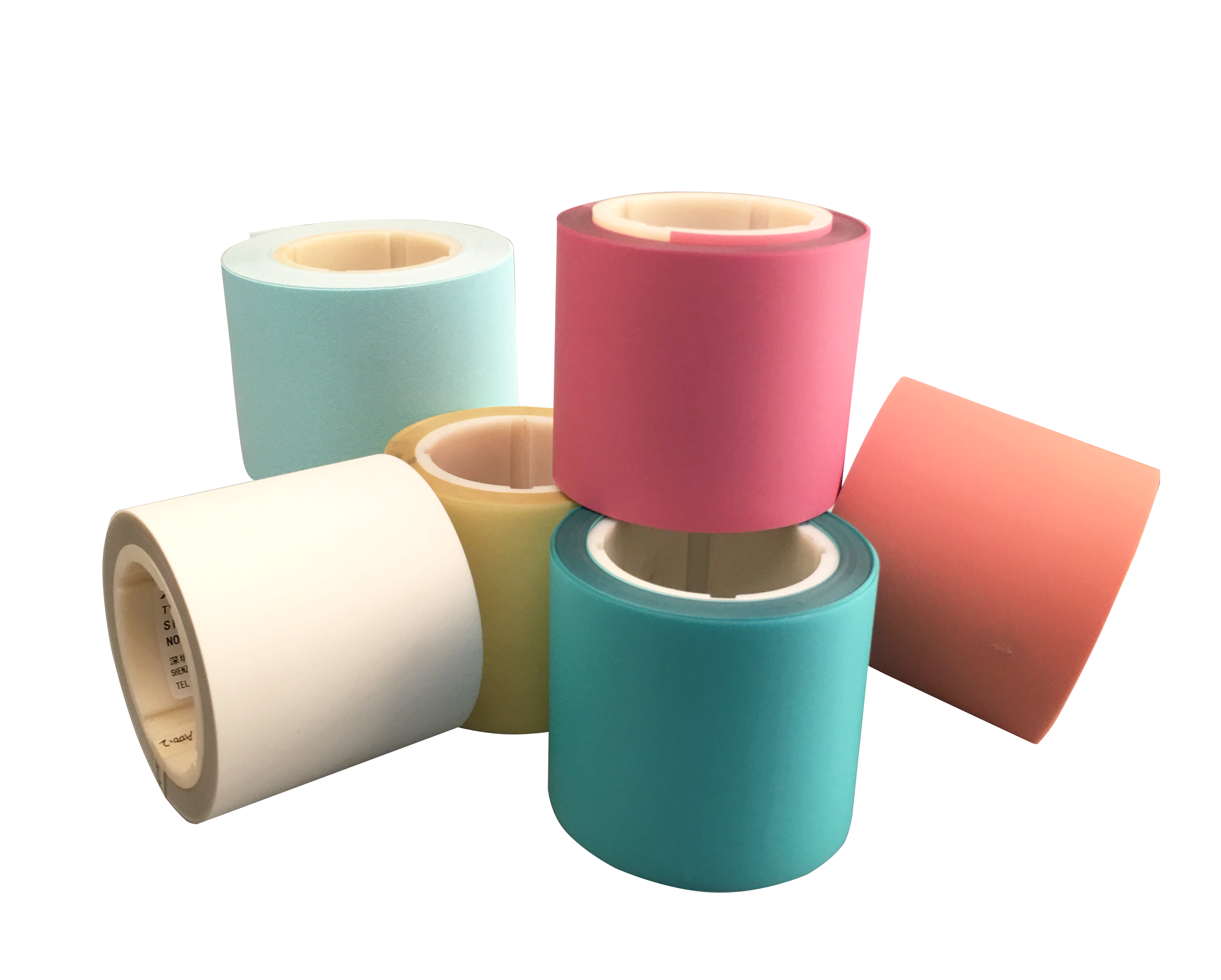
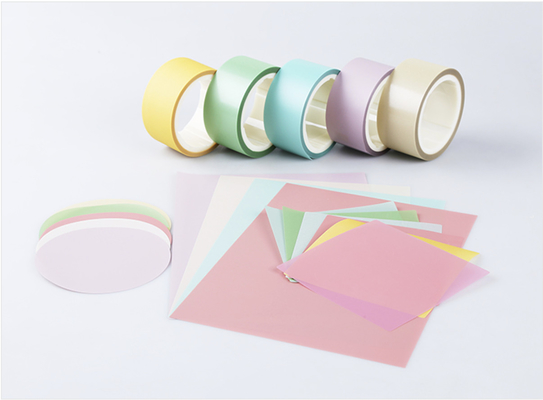
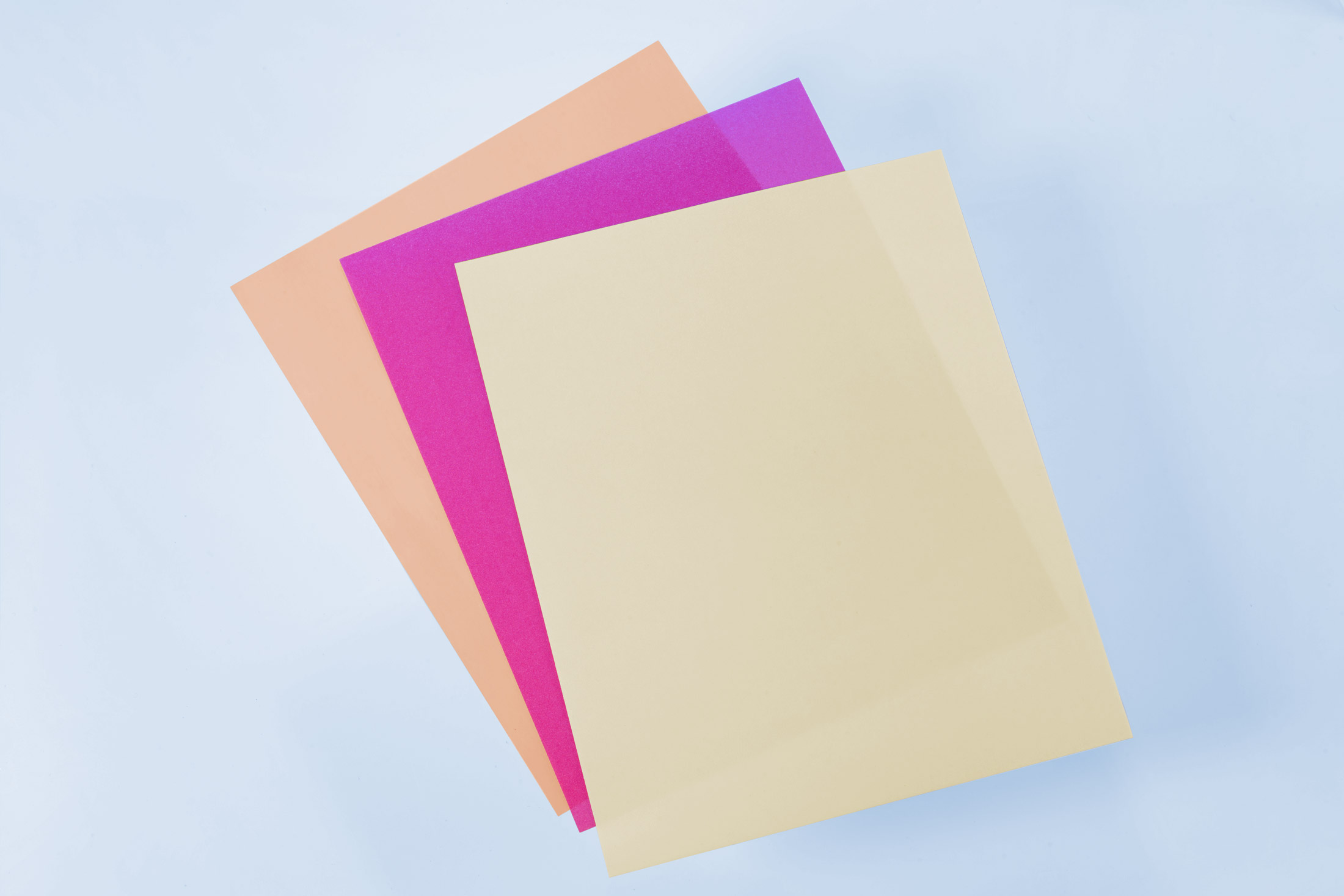
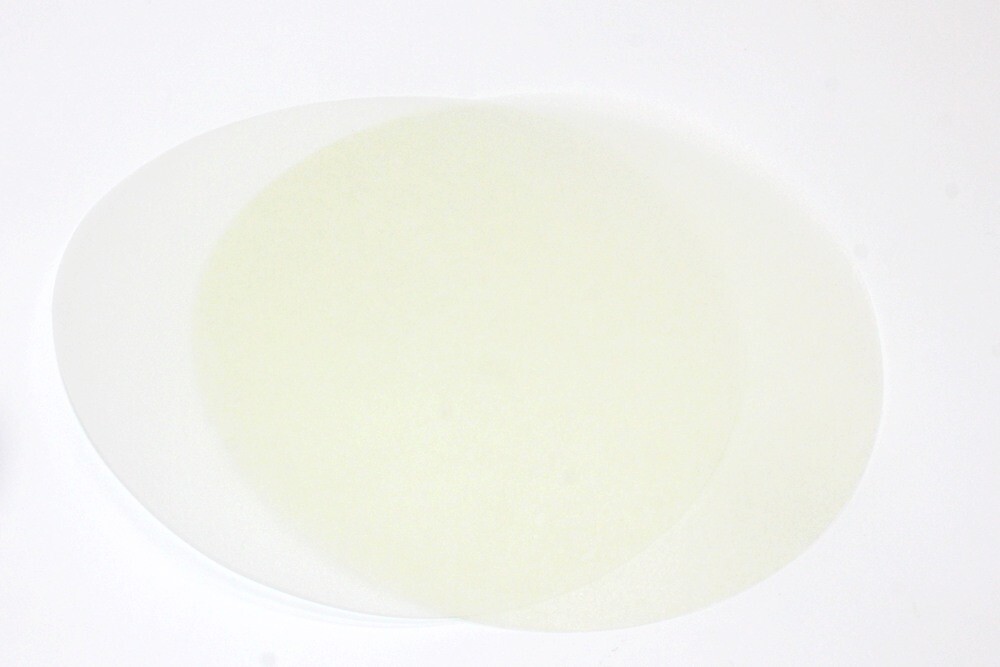
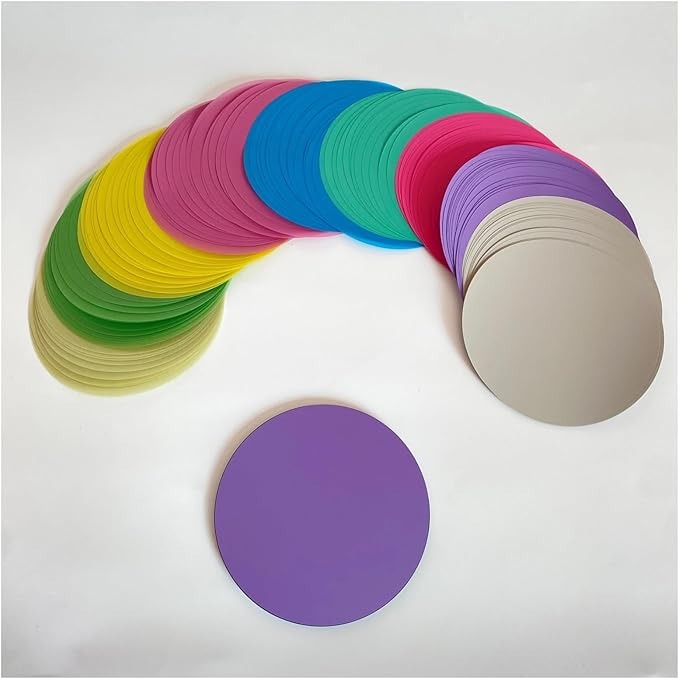
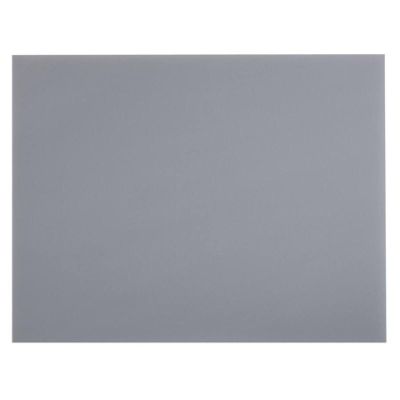
Diamond Lapping Film is a precision abrasive film consisting of a flexible polyester (PET/Mylar) backing coated with a resin bonding layer containing uniformly distributed synthetic diamond particles.
The basic structure includes:
1. PET/Mylar Backing Film
The polyester substrate provides:
- High dimensional stability
- Excellent flatness
- Flexibility during polishing
- Reliable handling performance
2. Resin Bonding Layer
The resin layer securely holds diamond particles and controls:
- Abrasive particle exposure
- Cutting consistency
- Film durability
- Polishing performance
3. Diamond Abrasive Layer
Synthetic diamond particles provide:
- Extreme hardness
- High cutting efficiency
- Excellent wear resistance
- Superior surface finishing capability
Why Use Diamond Lapping Film?
Diamond is the hardest known natural material, making it an ideal abrasive for precision polishing applications.
1. Exceptional Cutting Performance
Diamond particles maintain sharp cutting edges during polishing.
Advantages:
✔ Faster material removal
✔ Reduced polishing time
✔ High polishing efficiency
✔ Excellent performance on hard materials
2. Superior Surface Finish
Diamond lapping film provides controlled abrasive action, producing:
- Low surface roughness
- Minimal scratches
- High surface accuracy
- Excellent geometry control
This makes it suitable for applications requiring micron and sub-micron precision.
3. Long Service Life
Compared with conventional abrasives, diamond particles offer:
- High wear resistance
- Stable cutting performance
- Longer polishing lifetime
This helps manufacturers reduce:
- Film consumption
- Production costs
- Process variation
Diamond Lapping Film Manufacturing Structure
A professional diamond lapping film requires advanced coating technology.
Abrasive Dispersion Technology
Uniform diamond particle distribution ensures:
- Consistent polishing results
- Stable material removal
- Improved production yield
Resin Bond Technology
A high-performance resin system provides:
- Strong diamond retention
- Controlled cutting action
- Longer working life
Precision Coating Control
Manufacturing accuracy affects:
- Film thickness
- Surface uniformity
- Polishing consistency
Diamond Lapping Film Grit Selection Guide
The diamond particle size determines polishing speed and final surface quality.
General principle:
Coarser diamond grit = faster cutting
Finer diamond grit = smoother surface finish
Diamond Lapping Film Applications
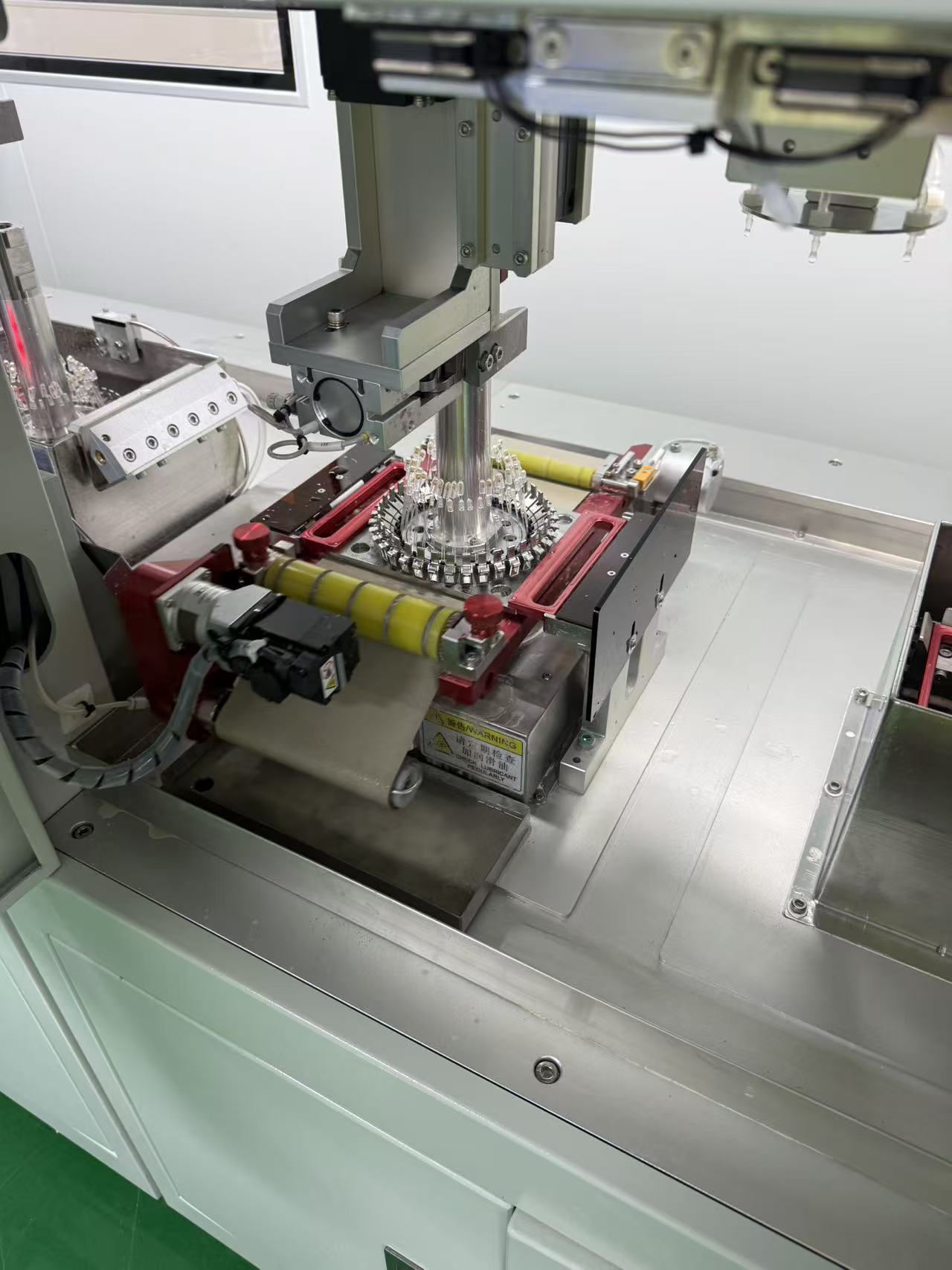
1. Fiber Optic Connector Polishing
The fiber optic industry requires extremely accurate end-face geometry to achieve low optical loss.
Diamond lapping film is widely used for:
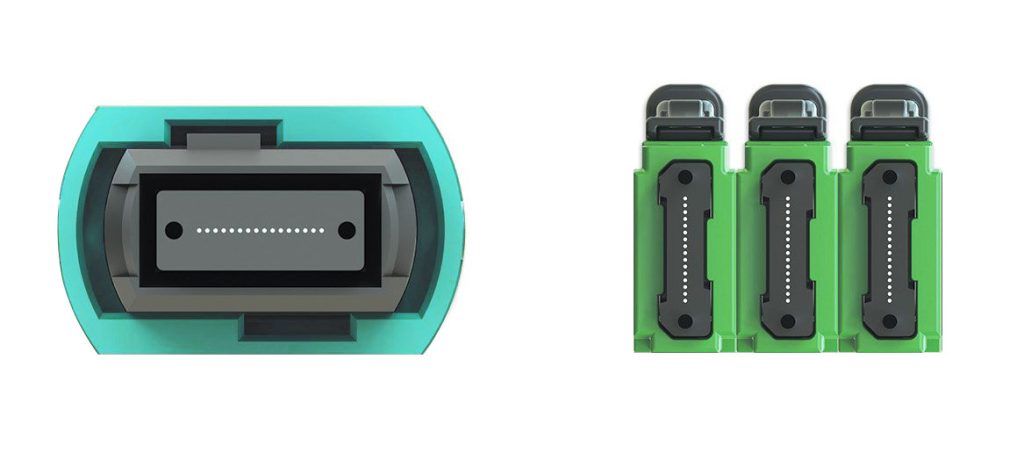
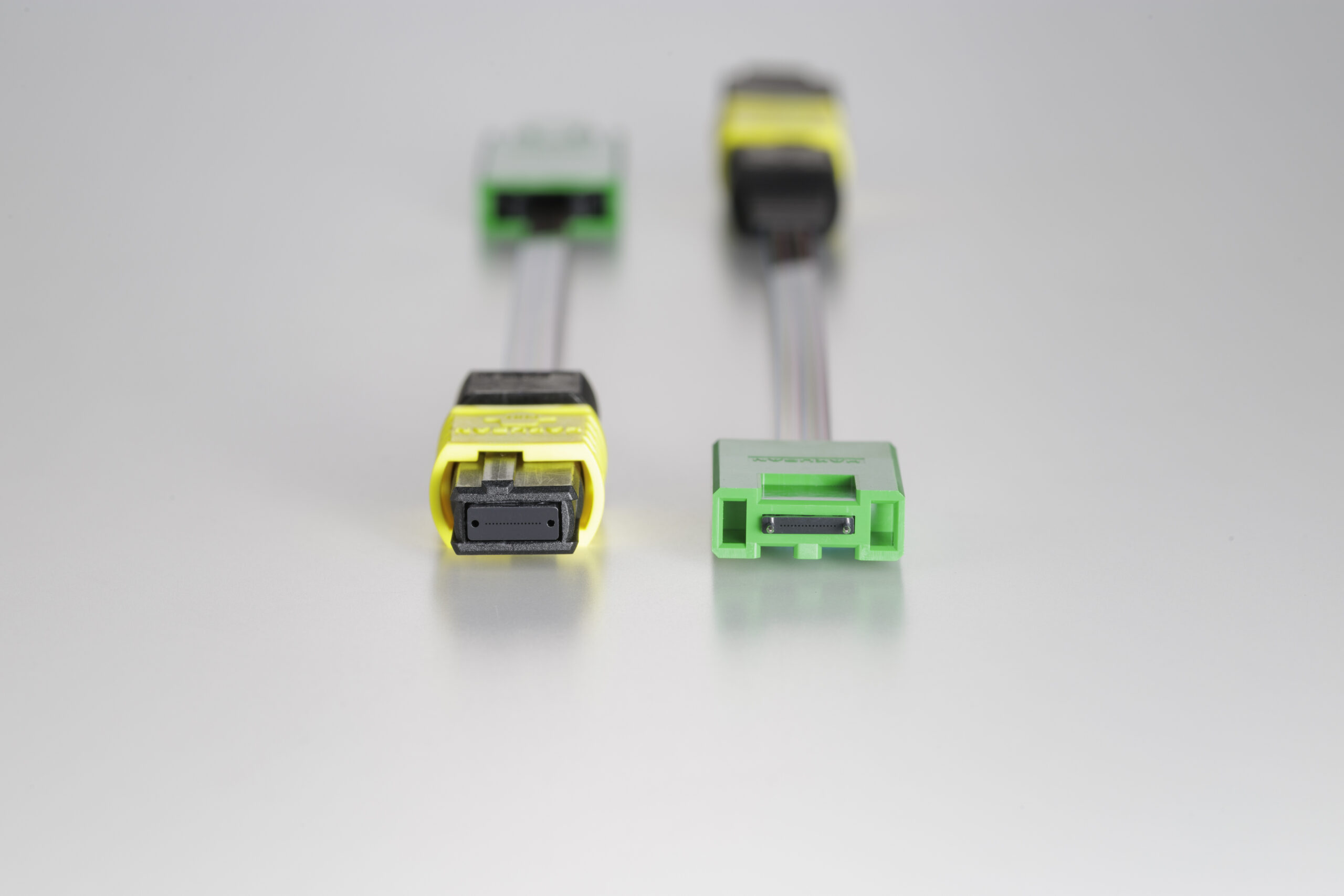
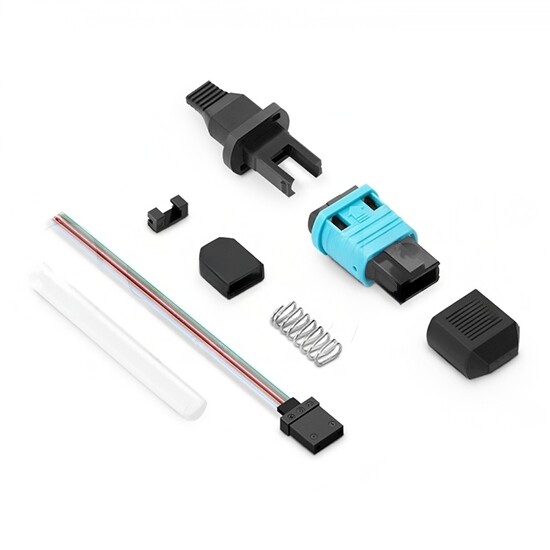
- MPO connectors
- MTP connectors
- MT ferrules
- TMT ferrules
- LC connectors
- SC connectors
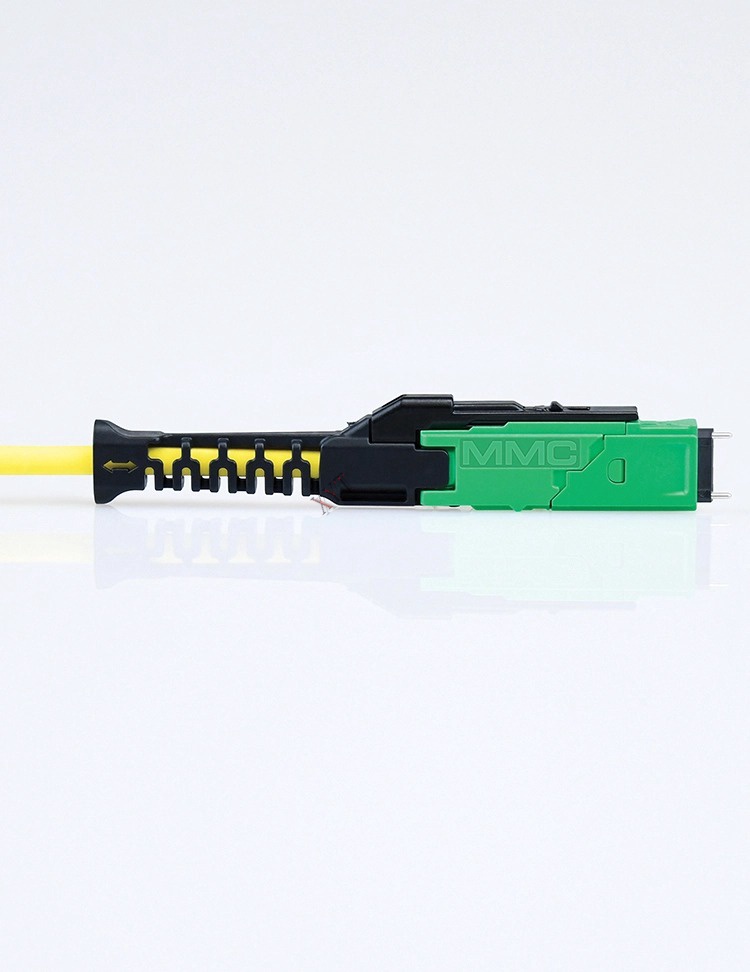
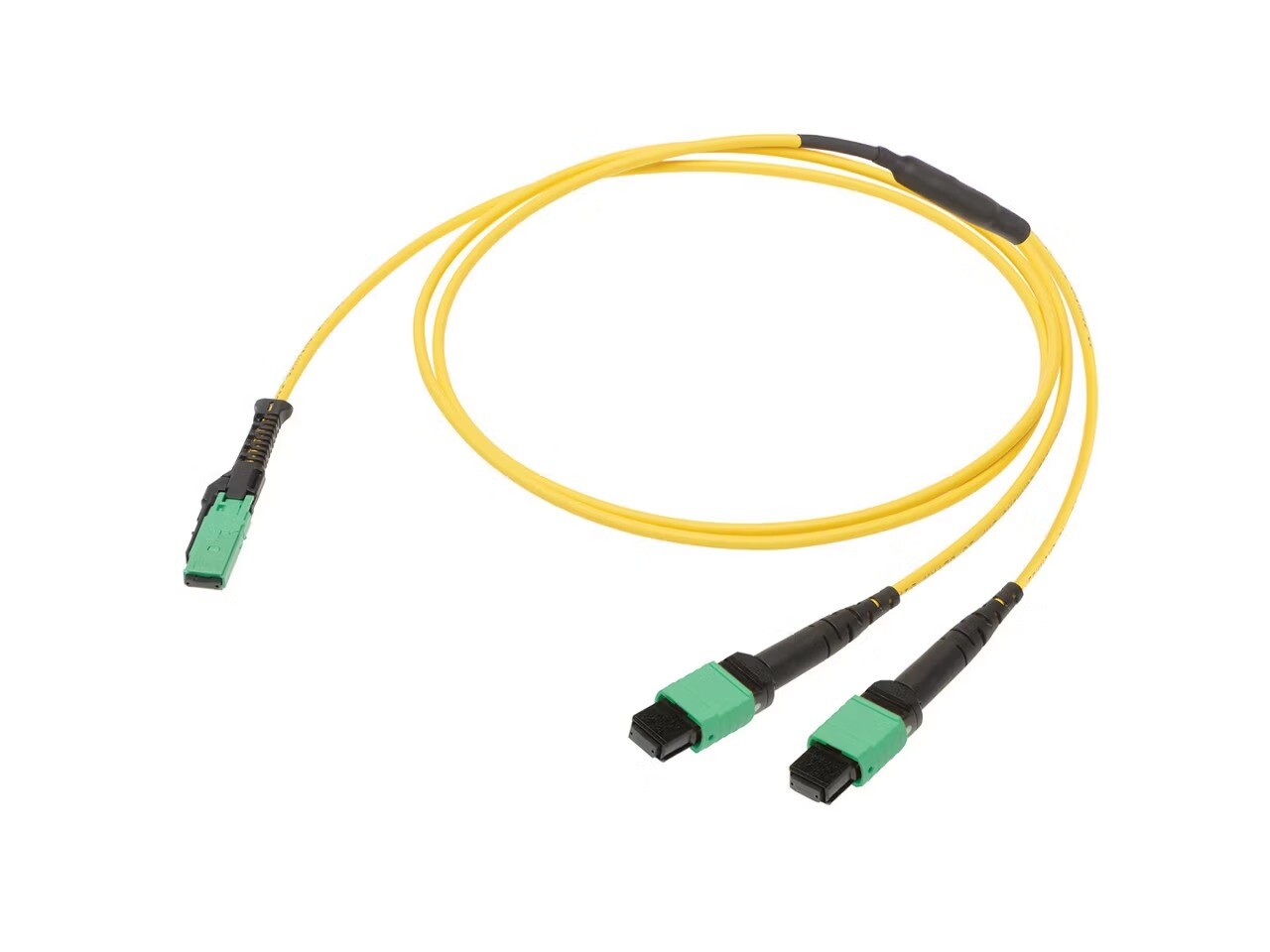
- MMC high-density connectors
Typical polishing sequence:
Benefits:
- Low insertion loss
- High return loss
- Accurate fiber height
- Reduced apex offset
- Improved polishing yield
2. Optical Component Polishing
Diamond polishing film is used for:
- Optical glass
- Sapphire windows
- Precision lenses
- Crystal materials
Advantages:
- Excellent surface smoothness
- High dimensional accuracy
- Reduced polishing defects
3. Semiconductor and Hard Material Processing
Diamond lapping film is suitable for:
- Silicon carbide (SiC)
- Sapphire
- Ceramic substrates
- Semiconductor materials
Benefits:
- High material removal efficiency
- Stable surface quality
- Precision thickness control
4. Precision Mechanical Parts
Applications include:
- Carbide components
- Aerospace parts
- Medical components
- Precision molds
Diamond film provides:
- High accuracy
- Excellent surface finish
- Improved component performance
Diamond Lapping Film vs Traditional Abrasive Film
Diamond Lapping Film for MPO/MTP Connector Manufacturing
Modern optical communication requires high-density connectors with strict polishing requirements.
Diamond lapping film helps control:
- Fiber height
- Radius of curvature
- Apex offset
- End-face geometry
A typical process:
Step 1: Silicon Carbide Rough Polishing
Purpose:
- Remove epoxy residue
- Correct surface shape
Step 2: Diamond Intermediate Polishing
Purpose:
- Improve flatness
- Reduce scratches
- Control geometry
Step 3: Fine Diamond Polishing
Purpose:
- Achieve high-quality surface finish
Step 4: Cerium Oxide Final Polishing
Purpose:
- Produce smooth optical surfaces
How to Choose the Right Diamond Lapping Film?
1. Select Based on Material Hardness
Recommended:
2. Select Based on Surface Requirement
For fast removal:
→ 9–30 μm Diamond Film
For precision polishing:
→ 1–3 μm Diamond Film
For final finishing:
→ 0.1–0.5 μm Diamond Film
3. Select Based on Polishing Process
Consider:
- Polishing machine
- Pressure
- Speed
- Lubrication method
- Production requirements
PSA vs Plain Backing Diamond Lapping Film
Diamond lapping film is available with different backing options.
PSA (Pressure Sensitive Adhesive) Backing
Advantages:
- Easy mounting
- Fast replacement
- Suitable for production environments
Plain Backing
Advantages:
- Flexible application
- Suitable for customized polishing systems
How to Identify a High-Quality Diamond Lapping Film Manufacturer?
A professional supplier should provide:
Advanced Coating Technology
Ensures:
- Uniform diamond distribution
- Stable performance
Quality Control
Including:
- Particle size inspection
- Thickness control
- Surface inspection
Technical Support
Including:
- Polishing process optimization
- Application testing
- Customized solutions
Future Development of Diamond Lapping Film Technology
With increasing demand from:
- AI data centers
- 800G/1.6T optical communication
- Semiconductor manufacturing
- Advanced electronics
diamond lapping film technology continues to develop toward:
- Smaller abrasive particle sizes
- Higher polishing accuracy
- Longer film life
- Automated precision polishing
Conclusion
Diamond Lapping Film is one of the most advanced precision abrasive technologies for modern manufacturing.
Its combination of diamond hardness, precise abrasive distribution, and stable resin bonding provides outstanding polishing performance for demanding applications.
From fiber optic connectors and optical components to semiconductor materials and precision engineering parts, diamond lapping film helps manufacturers achieve:
✔ Higher polishing accuracy
✔ Better surface quality
✔ Improved production efficiency
✔ More reliable manufacturing performance
Choosing the right diamond lapping film supplier and abrasive specification is essential for achieving consistent and high-quality polishing results.
Online Consultation
Related Suggestion
 Diamond Lapping Film: Complete Guide to Precision Polishing Technology and Applications
 Lapping Film: The Complete Guide to Precision Polishing, Types, Applications, and Selection
 MMC & MT Lapping Polishing Film: Premium Quality for High-Efficiency Polishing
 XYT Lapping Film for VSFF MMC16, MMC24, MMC32 Polishing
 Step-by-step SOP for MMC VSFF/TMT Polishing Solutions Guide
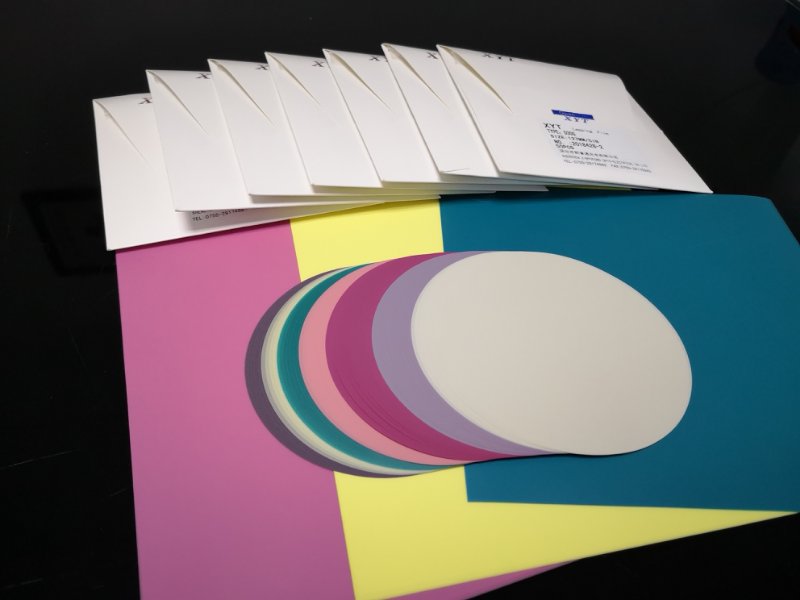
 Lapping Film Discs and Sheets for Laboratories
, MTCT®, and MT Ferrules Connectors") Lapping Film for PMT, Co‑Packaged Optics (CPO), MTCT®, and MT Ferrules Connectors
Lapping Film for PMT, Co‑Packaged Optics (CPO), MTCT®, and MT Ferrules Connectors XYT Precision Lapping Films and Polishing Consumables for MPO, MTP, and MMC Connectors
 High-Yield MPO/MTP/MMC Polishing Solution for Fiber Optic Patch Cord Ferrules
 Lapping Discs & Sheets – Diamond & Aluminum Oxide | Precision Polishing
 Explore Aluminum Oxide Lapping Film: 0.05 µm – 60 µm Grit Sizes | Discs & Sheets
 0.5 µm PSA Aluminum Oxide Lapping Film Discs & Sheets | Ultra-Fine Polishing
 30 µm PSA Aluminum Oxide Lapping Film Discs & Sheets | Coarse Polishing
 15 µm PSA Aluminum Oxide Lapping Film Discs & Sheets | Coarse Polishing
 12 µm PSA Aluminum Oxide Lapping Film Discs & Sheets | Coarse-to-Medium Pre-Polishing
 9 µm PSA Aluminum Oxide Lapping Film Discs & Sheets | Pre-Polishing
 6 µm PSA Aluminum Oxide Lapping Film Discs & Sheets | Pre-Polishing
Get in Touch
*We respect your confidentiality and all information are protected.